The Phenomenon of ‘Autistic Menopause’
Dr Rachel Moseley and Professor Julie Gamble-Turner
It’s not all that often you encounter the words ‘menopause’ and ‘autistic’ in the same sentence. When we first set out to explore how autistic people experience the menopausal transition, in 2018, there wasn’t a single study on the topic. Research in the autism world was, at the time, “all about the blokes and the kids” [RM1] – the adult lives of autistic people, including their romantic and sexual relationships, were dramatically understudied. We had no idea what we were about to uncover, and the journey that was unspooling at our feet.
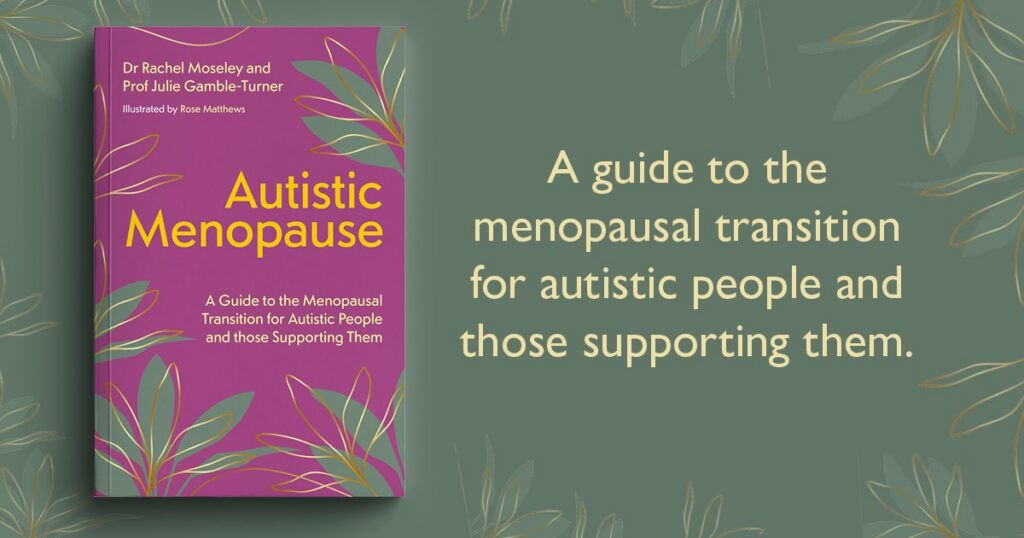
We are academic psychologists affiliated to Bournemouth University, with joint lived experience of autism and menopause. While we set out to understand autistic experiences of menopause, we quickly discovered that we were observing something much more complex and all-encompassing: a profound interaction of two neurological conditions, where menopause affected the way people experienced their autism and equally being autistic affected the way people experienced menopause. Our participants had a term for this phenomenon – ‘autistic menopause’ – and it’s the subject of our new book, in which we combine cutting-edge research findings with stories and advice from autistic experts by experience.
Wait a moment, though. To really appreciate the magnitude of autistic menopause, we need to explain something about its constituent parts: what are autism and menopause, and what’s the big deal about the interaction?
The neurological roots of neurodivergence and menopause
Autism, like ADHD, is a form of naturally-occurring neurological diversity (‘neurodivergence’) which has always existed, even if not recognised or formally diagnosed. It’s a state where the brain develops differently, affecting everything about the way a person thinks, feels, senses, experiences and interacts with the world. Autism and ADHD have historically been thought of as clinical conditions, ‘disabilities’ or ‘disorders’, but we prefer to think of them as neurological differences, recognising that people can feel disabled by their neurodivergence in certain situations, yet neurodivergent people have made valuable contributions to society and possess remarkable strengths such as honesty, loyalty, attention to detail, empathy and creativity.
What of menopause, then? It’s not just something that happens in the ovaries. As our book explains, menopause is actually a neurological transition point: a time of significant change in the structure and function of the brain, driven by hormonal changes. If you’re someone with pre-existing neurological differences, like autism or ADHD, it can affect the way you experience menopausal symptoms. Similarly, if you’re someone with a mental or physical illness involving the nervous system, or someone with a history of life stress then the neurological changes of menopause might be particularly impactful.
“A crazy world I was living in all of a sudden”
Across a number of studies detailed in our book, we’ve found that autistic people describe monumental effects of menopause on thought processes, emotions, senses, communication and daily living skills – all areas of pre-existing challenges. Aspects of autism and ADHD which were previously helpful, such as hyper-focus or attention for detail, can be tipped into disabling, and emotions and sensory sensitivities can be dialled up. This two-way relationship, where menopause affects neurodivergence and vice versa, is why one of the experts in our book explained,
“We can’t separate the autistic from the menopause… autistic menopause is a thing in itself” (p.202).
Our autistic experts said that their abilities to manage fundamental self-care and hygiene was compromised, let alone their ability to function in the workplace. Some found themselves unable to leave the house, their precariously balanced coping skills no longer effective and their mental health plummeting dangerously.
Interacting with other people is always difficult for neurodivergent people. Many effortfully ‘mask’ their differences, perhaps mimicking the speech patterns of non-autistic people, or trying to please. Our experts described that the mask became too heavy and exhausting to uphold during menopause, leading to emotional outbursts and withdrawal from other people. Some found that the overwhelm of their sensory sensitivities left them totally unable to “participate in life with other people” (p.127).
While some of our experts had supportive partners, others found their intimate relationships under enormous strain. Menopausal symptoms – emotional changeability, anxiety and depression; bodily changes impacting self-confidence; vaginal pain and dryness – all stand to disrupt romantic and sexual relationships. One of our experts explained that conflict at home escalated to such a level that after an argument, she left the home intending to end her own life. In this regard, a lack of support during menopause really can be, in the words of our research participants, “life-threatening[RM2] ”.
“I don’t know who I am anymore. I don’t know who I want to be” (p.86)
Affecting the brain, the seat of our identities, menopause really does affect everything about an individual’s sense of self. Our autistic experts told us that it “literally changed everything about who I am.” (p.63).
It’s common for people going through menopause to experience changes in their self-concept. Unfortunately, societal stigma around menopause often results in many menopausal people feeling devalued, unsupported and discriminated against in the workplace and in other spheres of their lives: “middle-aged, sidelined, unattractive, unheard” (p.156).
Our interviews with autistic people showed that this sense of self is another area where the interaction of menopause and neurodivergence might make the experience particularly difficult for neurodivergent people. Our experts explained they had often struggled greatly in school, at work and in relationships. Many of them had very low self-worth and they’d found a sense of positive self-identity through job roles, skills and achievements. Feeling rocked by menopausal symptoms and “robbed” of the neurodivergent skills that had helped them find a niche, they found themselves “unrecognisable” from the person they’d been before.
Many of our experts had gone or were going through an even more profound change of identity: discovery of their neurodivergent status. A recent shocking statistic suggests that only one in ten autistic people above the age of 50 years are actually diagnosed. Historic underdiagnosis of women and people assigned female at birth means that the majority of autistic/ADHD people who’ve gone through menopause have done so undiagnosed.
Struggling in school, work and relationships, often victimised and exploited by other people, undiagnosed neurodivergent people often blame themselves for their difficulties, calling themselves “stupid”, “weak”, “bad”, a “terrible personality”, or “shit at life”. We’ve found that menopause can cause such turbulence, and so amplify neurodivergent characteristics, that it’s the catalyst for people finally learning why they’ve struggled throughout their whole lives. As one of our research participants explained[RM3] , menopause caused the “cracks that let the light of autism out after decades of squishing it deep down”.
Why it all matters
Menopause isn’t just a time of change, but a life-stage with great repercussions for a person’s future health and wellbeing. A person’s experience of menopause can have long-lasting impacts on their future health and even life expectancy. As we explain in our book, helping people feel informed, empowered and confident during menopause is imperative for their future wellbeing.
We’ve heard so many menopausal autistic people talk about their feelings of isolation, their desire for stories and connection with other people going through the same thing. We hope that our book – described by endorsers as “vital”, “compassionate”, “honest”, “hopeful” and “practical” – will explain why menopause might be challenging, suggest advice for coping with it, and provide reassurance and connection with our experts through their stories.
We also hope that having read this article, you’ll also think about menopause and neurodivergence a little differently, perhaps consider your own journey and those of others in your life. We want to instigate big conversations about neurodivergence in menopausal people, to highlight for professionals and policymakers the real challenges that neurodivergent people can face during menopause, and the need to support them before, during and after.
The book ‘Autistic Menopause: A Guide to the Menopausal Transition for Autistic People and those Supporting Them’ will be published by Jessica Kingsley Publishers on 21/01/2026. https://uk.jkp.com/products/autistic-menopause
[RM1]Link to paper if desired:
[RM2]Link to study if desired:
[RM3]Link to study if desired: