Questions To Ask a Therapist to See if They Are Neurodivergent Affirming
By Amy Peters is an Autistic/ADHD therapist, supervisor, trainer and the founder of Newglade Counselling (www.newgladecounselling.co.uk) – a UK-based therapy practice offering neurodivergent-affirming therapy for children and adults. Amy’s training and workshops have been commissioned by local authorities, NHS-adjacent services and specialist CPD platforms.
Finding a therapist can be incredibly challenging – from deciding what type of therapy to scrolling through endless profile pictures, it can feel overwhelming.
For neurodivergent people, there can be additional challenges. It takes a lot of executive function to make enquiries, arrange calls and complete paperwork. On top of this, many of us may have had difficult experiences with professionals in the past, feeling invalidated or unheard. With a history of unmet needs, choosing someone to share your thoughts and feelings with can feel deeply vulnerable.
Not everyone has a choice in their therapist, particularly within NHS or structured services. Even so, the ideas here can still help you reflect on what feels supportive and, where possible, shape the work you’re doing together.
As an AuDHD therapist myself, I know how important it is to find someone who will understand you, validate your experiences and avoid pathologising your traits. In recent years more professionals are using terms like neurodivergent affirming, neuro affirming or neurodiversity affirming. But how do we know if these are more than just buzz words? Here are some questions you can ask your therapist to see if they might truly be neurodivergent affirming.
Q: What’s your understanding of autism/ADHD/other neurodivergence?
This can be a good way to listen out for the therapist’s own feelings about neurodivergence. Listen out for their language – if they’re using words like disorder, deficit or phrases like suffering from, it’s likely that they’re operating from a deficit model and may have outdated views or internalised biases about neurodivergence. If the way they speak doesn’t sit right with you, trust your instincts.
Q: How do you adapt your approach for neurodivergent clients?
This is a great question to ask to see whether a therapist has examined their therapy approach. Many traditional frameworks can be embedded with ableism, racism, and other biases which require ongoing reflection and adaptation. A neurodivergent affirming therapist will be aware of this, make accommodations, and use neurodivergent friendly resources such as my Neuro Cards to provide the most inclusive approach.
Q: How do you approach it if a client feels like something isn’t working?
This question can help you to gauge how client-centred and adaptable the therapist is. For neurodivergent clients in particular, it isn’t always easy to speak up when something doesn’t feel right. We might mask, people-please and put our needs last. Because of this, it’s important that a therapist doesn’t rely solely on the client to raise concerns, but actively creates space for regular check-ins and honest feedback.
Q: How do you approach goal-setting in therapy?
This question can help you see whether a therapist works in a way that respects your individuality. Some therapists may unintentionally encourage masking or suppressing neurodivergent traits, for example by setting a goal to make more eye contact or to tolerate sensory experiences that feel overwhelming. An affirming therapist, on the other hand, will collaborate with you to set goals that feel meaningful and authentic to you.
Q: Do you have lived experience or specialised training in neurodivergence?
Although I think it can be helpful to have a therapist with lived experience that somewhat aligns with yours, it’s not essential. But this question can help you work out how this professional might feel about their own neurotype (if they share this with you) or alternatively, what training they might have received to update their knowledge.
Therapists should welcome these kinds of questions and be happy to answer to ensure a good fit. If asking in person feels too confronting, you could email the question in advance, or check their website or profile to see how they talk about neurodivergence – notice how it feels to you. Trust your instincts.
Remember:
- Not every therapy will fit. If something doesn’t work for you it doesn’t mean you’re doing it wrong.
- A therapist can say the “right” things but still not feel safe – you’re allowed to trust your instincts
- Therapy should fit the person, not the other way round.
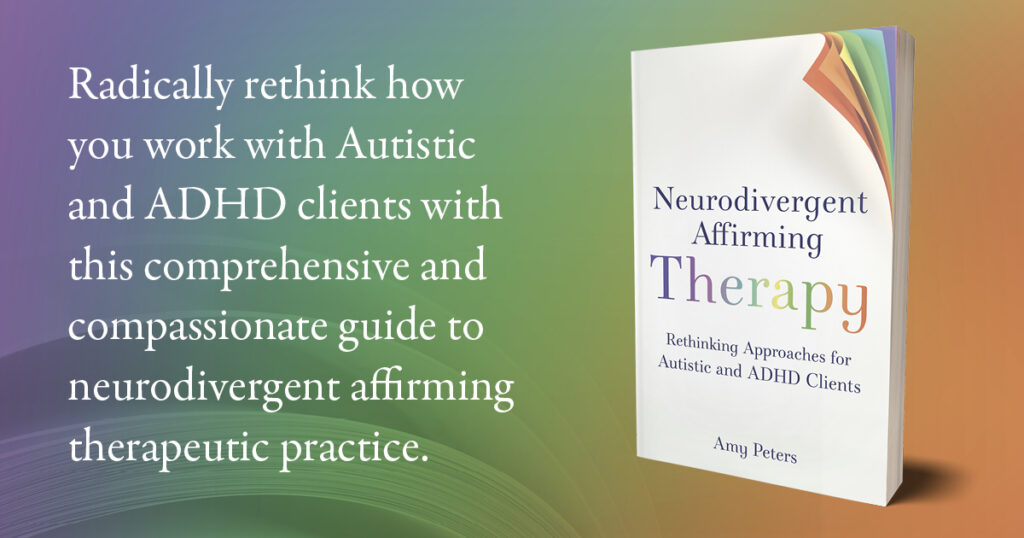
These are some of the ideas I explore in my book, Neurodivergent Affirming Therapy, which looks at how therapists can create spaces that truly respect neurodivergent experiences.