A Guide to Aftercare 101, For All Kinds of Sex
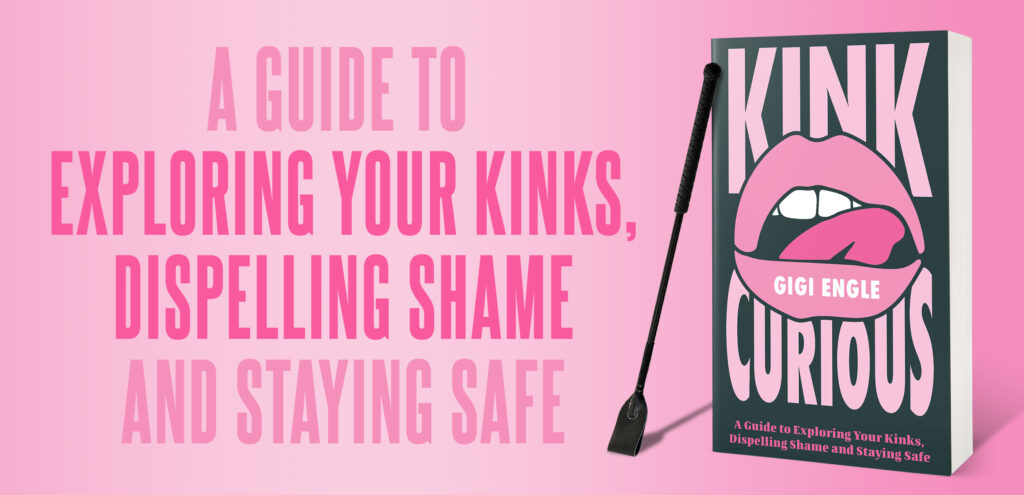
By Gigi Engle. Buy her book, Kink Curious, here.
Whether we like it or not, sex is an emotional event. It just is. Sure, sex can be casual, or even detached – but the minute you start getting naked and activating your erotic brain, there is a level of emotional connection. You can be into kink, into romance, into hookups, into comfort-sex, or into doing it while dressed like vampires — none of it gets you out of having a nervous system.
And that is a GOOD thing, actually.
Sexual arousal is a whole-body biochemical reaction. Your brain gets flooded with dopamine, oxytocin, adrenaline, and a tidal wave of sensory input that pushes your nervous system into high gear. You’re not just having sex. You’re entering an altered state. And altered states need intentional exits.
That is where aftercare comes in.
Aftercare is the grounding ritual that helps you transition out of erotic intensity and back into your actual life without feeling like you’ve been ejected into space. The kink community has popularized the term because we’ve always been brilliant at consent culture, structure, and honoring emotional reality. But aftercare isn’t just for people who own impact toys or ropes. It’s for everyone.
Aftercare should really be a normal part of all sex. We deserve that level of care from ourselves and our partners.
Whether you’ve known the person for five years or five minutes, every sexual connection feels better — and safer — when it ends with attunement and care.
Let’s dig into what aftercare really is and how to build it into your erotic life in a way that feels nurturing and authentic.
What is aftercare?
Aftercare is the practice of tending to your emotional, psychological, and physiological state once sex concludes. From a sexological lens, it’s the process of helping your nervous system regulate. You’re guiding your body out of arousal mode and back into something calmer, more integrated, and more connected to yourself.
People often think of aftercare as “cuddles,” but it’s actually a far bigger umbrella. It’s about supporting the vulnerable, open, (sometimes even raw) emotional terrain that follows pleasure. It’s about remembering that sex can stir attachment cues, old emotional wounds, insecurities, joy, grief, and everything in between — sometimes all at the same time. It can create a lot of feelings when we engage in something so emotionally intense.
Why aftercare matters
Sex can activate your sympathetic nervous system — the part responsible for high alert, heightened sensation, and a rush of chemicals. It’s essentially your body saying, Something important is happening. That intensity can feel incredible in the moment and destabilizing afterward if you don’t get a chance to come down gently.
Without aftercare, people sometimes feel anxious, lonely, out-of-whack, or like their emotions have nowhere to go. Your body needs time and support to recalibrate.
And let’s be real: what happens after sex heavily influences how you remember the entire experience. Even phenomenal sex or kink scenes can leave a sour taste if the ending feels abrupt. Emotional whiplash is real, and no one deserves it.
Aftercare is how we protect the integrity of the experience — and the well-being of the people involved.
What aftercare can entail
There’s no single “correct” way to do aftercare because different folx need different things. Aftercare is about attunement, not performance. Think of it as a menu, not a script.
Here are a few possibilities:
- Cuddling or grounding physical closeness
- Talking about what felt good, meaningful, or interesting
- Drinking water or eating a snack
- Watching a show together
- Gentle touch: stroking hair, rubbing a back, holding hands
- A shared shower or a few minutes alone to rinse off and reset
- Quiet time side-by-side
- A bit of intentional solitude before reconnecting
Practical care counts, too. Maybe that’s tending to sore muscles, offering a warm towel, handing over a hoodie, or cleaning up the space so no one feels abruptly pulled back into reality.
Aftercare is fundamentally about checking in: Where are you right now? What does your body need? What would help you feel settled?
For some, the answer is connection. For others, space. For many, it’s a mix.
Creating an aftercare plan that works for you
Knowing your aftercare needs is a form of erotic self-awareness. It’s part of understanding your your unique needs.
Ask yourself:
- What helped me feel genuinely good after previous sexual experiences?
- What do I secretly wish I had after sex but haven’t asked for?
- What helps me feel safe, grounded, and connected after intimacy?
And yes — even if you just met someone, you still deserve aftercare. If someone can’t or won’t show up for your basic emotional needs, that’s your sign to rethink whether you want to have sex with or play with that person in the future.
Aftercare needs don’t always match between partners. One person might crave closeness while the other needs a few minutes alone to regulate. Neither is wrong — it just requires honesty and negotiation. There’s always a middle ground if both people want to show up with care.
Aftercare doesn’t necessarily stop when the bodies separate. Sometimes a simple message the next day — checking in, acknowledging the experience, offering warmth — is part of the aftercare container. It reinforces safety, integration, and mutual respect.
At its core, aftercare is about honoring the fact that sex is a powerful experience. It shapes how we see ourselves, how we relate to others, and how safe we feel in our bodies. Caring for someone after sex — or asking to be cared for — is not a burden. It’s being a considerate sexual partner. Aftercare helps make sex not just pleasurable, but also grounding and aligned with the kind of intimacy we actually deserve.

Gigi Engle is an award-winning writer, certified psychosexual therapist, sex educator, and author, specializing in Gender, Sexuality and Relationship Diversity. Gigi’s work regularly appears in publications, including Cosmopolitan, Marie Claire, Elle Magazine, Teen Vogue, Glamour, and Women’s Health. She is originally from Chicago and is based in London. Her book Kink Curious is out on 21st January 2026.