JKP Wins Gold at the 2011 Independent Publisher Book Awards
We are thrilled to announce that JKP has won several medals in the 2011 Independent Publisher Book Awards, including two Gold medals! Darold A. Treffert’s Islands…

We are thrilled to announce that JKP has won several medals in the 2011 Independent Publisher Book Awards, including two Gold medals! Darold A. Treffert’s Islands…
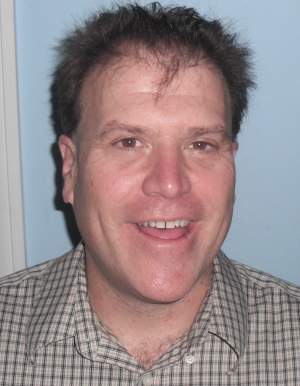
“Drama and theatre has historically been portrayed as a mirror to the human condition, raising questions and reflecting aspects of how we understand and relate to ourselves and each other. By holding the mirror of drama up to the mirror of social skills building neuron activity, we illuminate previously obscured angles, empowering a practical as well as metaphorical peripheral vision of sorts.”
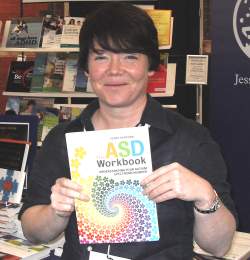
“I hope that young people reading this book will learn that autism is primarily a difference and not necessarily always a disorder; there are many positive sides to the autistic thinking style. A diagnosis of autism should enable the young person to develop their awareness both of themselves and others, which should help relationships to develop. Throughout the book, I have tried to explain why neuro-typicals behave in a certain way that should alleviate any anxiety or frustration that the young person may experience.”

Geoff Platt, PhD, has worked as a lecturer in Sport Science for ten years, most recently working as a senior lecturer and course director in…
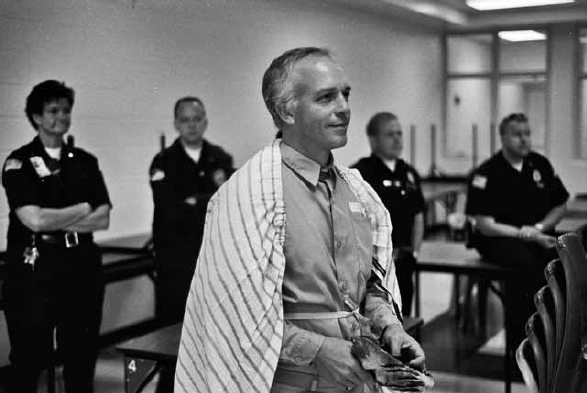
“My personal passion for continuing this work with the incarcerated is driven by my bearing witness to the transformational awakening of the empathic humanity within inmates who were unaware of the innate goodness that dwelt within them, awaiting discovery.”

The 2011 American Occupational Therapy Association (AOTA) Conference took place at the Pennsylvania Convention Center in Philadelphia (USA), this year and JKP was pleased to…
In these videos, authors Dr Carrie Herbert and Rosemary Hayes read from their new book, Rising Above Bullying: From Despair to Recovery, which tells the stories…

“Sometimes we adults make the mistaken assumption that young people have acquired the skills they need to be safe, when these skills often need to be explicitly taught…Rather than hoping for the best, we can prepare our vulnerable youth as well as we can by familiarizing them with some of the risks they may encounter and teaching that they can make choices—empowering them to be able to say ‘No!’ or ‘Stop!'”
“A child who displays aversion to touch can be taught how to understand touch—essentially learning to differentiate between normal and painful sensations. I have found that a systematic approach to massage is very important for children with autism spectrum disorders. When they learn what to expect, they are better able to relax and receive massage.”
“…it dawned on me how ridiculous it was that even though I’d had this body for so many years and took an interest in health and nutrition, I was unable to confidently point to my spleen, pancreas or liver. I thought to myself that if I’d learned these exercises as a child, not only would I have known more about my body but I’d have been able to help myself in those dark times when I felt pushed and pulled by my emotions.”