Breaking Bad Habits in Communication for the Helping Professions
By Maggie Kindred and Michael Kindred, authors of the new book 500 Tips for Communicating with the Public, which addresses the communication challenges that people…
By Maggie Kindred and Michael Kindred, authors of the new book 500 Tips for Communicating with the Public, which addresses the communication challenges that people…
“Rising Above Bullying is a book for all those who encounter bullying. For those who are being bullied and their families, for the perpetrators and their families and for teachers and other adults who are in a position of influence. And for the bystanders – those who ‘turn a blind eye’ thinking it is not their business. We all have a shared responsibility to ensure the safety of our children; adults must be proactive in putting a stop to bullying behaviour. This involves doing something if you believe a child is being subjected to unkind and unpleasant treatment.”

“Music is a medium that can be non-threatening, encourage participation, encourage attending skills, and encourage stimulation or relaxation. Because of these outcomes and more, music can be used to reach a child that may be hesitant to respond to other forms of communication.”
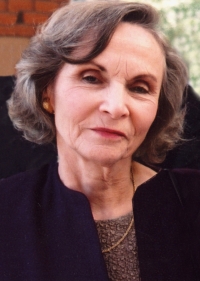
By Charlotte E. Thompson, M.D., author of Grandparenting a Child with Special Needs. It is a great responsibility to care for a grandchild, particularly one…

By Deborah M. Plummer, is a registered speech and language therapist and imagework practitioner, and author of the new activities book Helping Children to Improve…
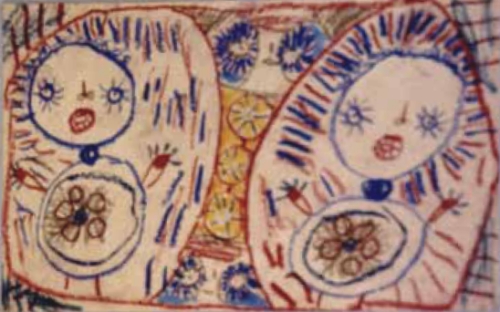
Claire Golomb is a Professor Emerita of the Department of Psychology at the University of Massachusetts. For over 40 years she taught courses on child…
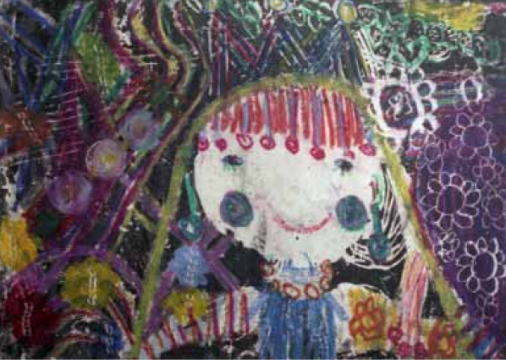
By Claire Golomb, Professor Emerita of the Department of Psychology at the University of Massachusetts, USA, and author of the new book The Creation of Imaginary…

“My goal in counselling young people around issues of ordinariness, I suppose, is to help them begin to feel that the way they are is fine. They’re not going to be as good as they always longed to be, but nor are they going to be as dreadful as they always feared they might be… That’s not to say that they won’t achieve massively, but that they don’t have to be striving for it to such an extent that they then start behaving strangely or self-destructively or being destructive at other people’s expense in order to get recognised, and in order to be different.”
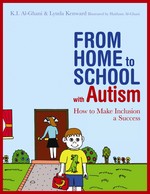
“Children with ASD are not good at generalising. They cannot transfer knowledge from one situation to another. Something as simple as having a different symbol to show ‘choosing’ for example, may result in the child being unable to understand what is expected. Not all schools have access to symbol writing programmes or they may be different from those used by early years practitioners. Parents usually have no access at all and are not even aware of the visual symbols they could be using to aid their child’s understanding at home…The aim of the book is to promote and foster collaboration between the home and the school. This will result in improved generalisation of skills and opportunities to exchange ideas and to decide what methodology works best for the child.”
by Charlotte E. Thompson, M.D., author of Grandparenting a Child with Special Needs With the hustle and bustle of the holidays, parents often turn to…