Is Pregnancy Really Different for Autistic People?
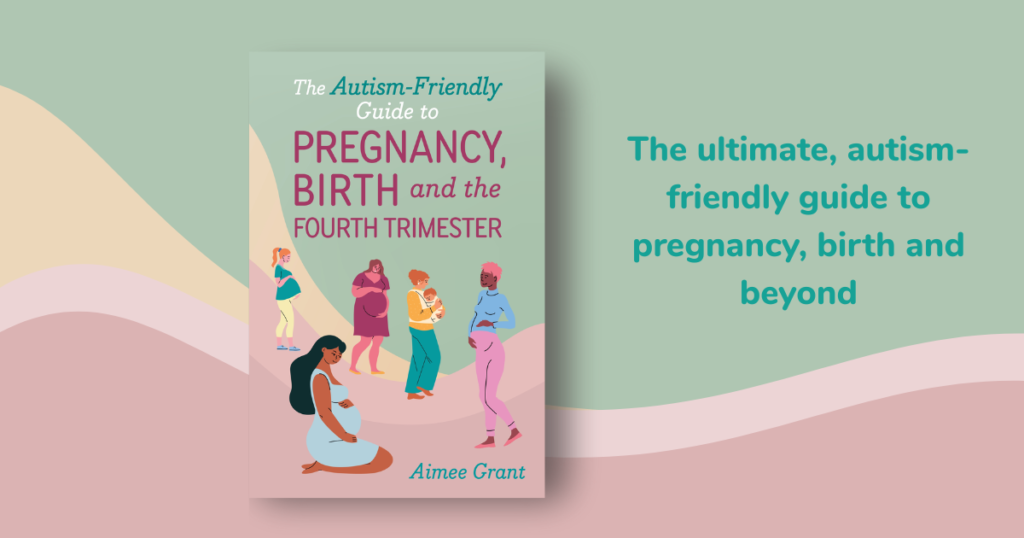
| Aimee Grant is a researcher and author of over 50 peer reviewed journal articles. Since 2021, Dr Grant has been leading research into Autistic people’s views and experiences of pregnancy, pregnancy loss and early parenting. Aimee has written The Autism-Friendly Guide to Pregnancy, Birth and the Fourth Trimester. |
When I talk about how life is different for Autistic people, I often get comments that show a lack of understanding. They may assume every autistic person has learning disabilities, when the reality is two thirds of Autistic people don’t have learning disabilities. Another thing people say is: “but we’re all the same; how different can it be?”
When it comes to maternity, the answer is whilst it is the same, in that pregnancy will take around nine months – sometimes involving nausea, sickness and pelvic pain – and end in birth, it can be really quite different.
At the most severe, in one of my studies, 10 autistic people told me that although they were literally just about to give birth to their baby, nobody believed they were in active labour. One baby was born in the hospital’s reception, as the person giving birth had just been told to go home (because they weren’t expected to give birth for a long time).
Fortunately, most of the differences aren’t this dramatic. However, being autistic does impact each part of the maternity journey.
Starting at the beginning, from early in pregnancy, autistic people found their sensory sensitivities increased, including to smell and taste – which we might expect with morning sickness. Surprisingly, we also found sensitivity to light, sound and touch got stronger too.
This increase in sensory difficulties could lead to a range of negative impacts for them, including being uncomfortable, distressed and even having more meltdowns and shutdowns.
For those who welcomed their pregnancy, these difficulties could be really upsetting. For example, many autistic people may find the sensation of baby moving in their tummy uncomfortable, or just plain weird. But that doesn’t mean it wasn’t also reassuring that their baby was safe and well.
Another thing that was different, was the sensory impacts of maternity visits. These ranged from loud and bright maternity settings to a deep discomfort for some when ultrasound gel was put on their belly to do a scan, or from the loudness of the baby’s heartrate during the scan. Like the unusual feeling of baby kicking, they also felt reassured during scans.
Many of the people in my research said their maternity care was negative overall. They said that they weren’t listened to an felt unsupported. Often, they did not understand what was happening, and often they did not know that they could say no to examinations or treatment that they had.
Those who had positive experiences talked about the support and understanding they experienced. It was this experience, that led me to writing The Autism-Friendly Guide to Pregnancy, Birth and the Fourth Trimester. I wanted to give autistic people as much knowledge as possible, so they would have a better experience of maternity care, even if the services were not set up to meet their needs.