How to Figure Out If You’re A Dom or sub
By Gigi Engle. Buy her book, Kink Curious, here.
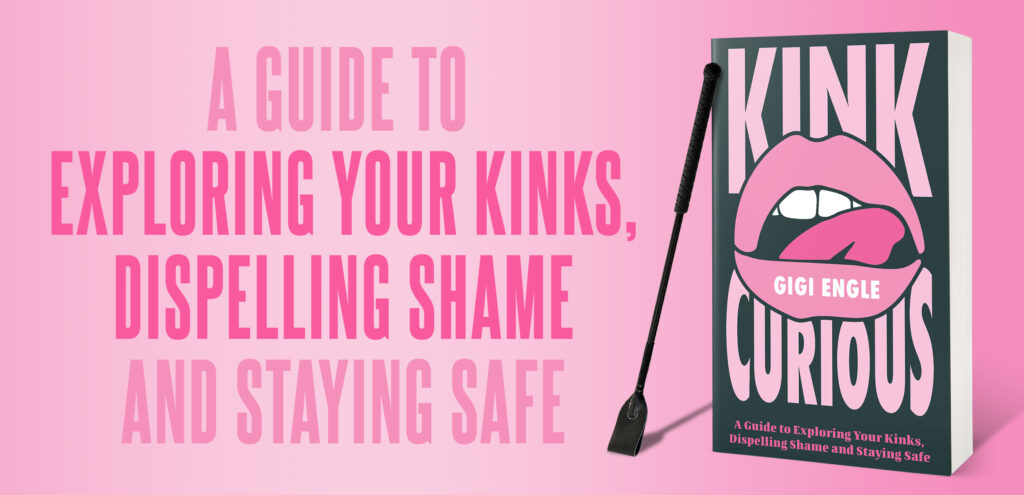
If you’ve been curious about kink but have no idea where to begin, take a breath — you’re in good company. So many people feel a tug toward kink without ever being taught how it actually works or what makes it emotionally safe. We get bombarded with tutorials on floggers and Shibari, but almost no one talks about the relational foundation that keeps everything hot, healthy, and consensual.
Before you grab a blindfold and call it a day, you need to understand the architecture underneath it all.
At the center of kink sits the Dominant/submissive dynamic (D/s). It serves as the psychological structure that gives meaning to the play. Once you understand the inner workings of D/s, everything else (think: flogging, role-play, power play, or even being tied up like a Christmas roast) starts to make a lot more sense.
So, let’s break down kink the way it deserves to be talked about: honestly, psychologically, and shame-free.
What a Dom/sub dynamic actually is
A D/s dynamic is a consensual exchange of power — and I mean truly consensual. Not implied, not assumed. It’s intentional. It’s discussed. It’s freely chosen.
In kink, power isn’t something that gets taken. It’s something that’s offered.
The sub isn’t losing control of their agency; they’re deciding where to place it. And the Dom isn’t some cartoon villain in leather. They’re the one holding that responsibility with care, attunement, and a sense of grounded leadership.
Psychologically, this mirrors concepts you find in therapy: trust-building, boundaries, co-regulation, emotional safety. It’s relational, not just sexual.
And while D/s feels most obvious in BDSM, power dynamics show up in everyday sexuality too. Someone initiates, someone follows; someone sets the pace, someone responds. BDSM just turns the lights on so you can see all of this more clearly.
How D/s can show up in BDSM scenes
Because D/s is a psychological blueprint rather than a single activity, it can look like literally anything you design.
A few examples of how different D/s flavors play out:
- Classic bondage D/s: Structure, restraint, ritual. You’re playing with containment, surrender, and focused attention.
- Caretaker/little: One partner steps into nurturance; the other into softness or vulnerability.
- Dom/brat: A sexy power struggle where the sub tests limits and the Dom answers with confidence and containment.
- Master/pet: A role-play universe where training, devotion, and identity exploration lead the way.
People assume kink equals pain or aggression. It doesn’t. Tools like ropes, cuffs, and paddles can be symbolic and sensory. They reinforce the dynamic, amplify sensation, and build intimacy.
Bondage can be comforting, erotic, or cathartic. It can be a reward, a consequence, or simply a way to heighten focus and trust.
How to negotiate within a Dom/sub dynamic
Negotiation is where the magic happens. It’s the foreground of kink play.
This is where you lay out:
- your limits
- your curiosities
- your absolute yeses
- your definite nos
- your triggers, boundaries, and fantasies
Negotiation isn’t optional. It’s the foundation of consent and the antidote to guesswork. It’s also where a sub’s power becomes crystal clear: they’re the ones deciding what they’re willing to give, and under what conditions. This isn’t to say that Doms don’t have power too. Because everything is co-created by both parties.
Safe words are essential. They’re tools that protect emotional safety and prevent overwhelm. When you can stop a scene at any moment, exploring your edges becomes thrilling instead of scary.
And for the Dominants of the world: your role is not about ego. It’s about responsibility, emotional presence, and follow-through. If someone tries to play without negotiating first? That’s a waving, screaming red flag.
The importance of aftercare
BDSM scenes can often be emotionally intense. They can push you into deep psychological spaces — subspace or domspace. Think: A certain flow-state.
Aftercare is how you come back to a grounded space.
This might look like:
- cuddling
- talking through the scene
- being wrapped in a blanket burrito
- receiving water or snacks
- grounding touch
- snuggling
Aftercare is not “extra.” It’s part of the play — the emotional integration that makes everything feel complete. And yes, Dominants need aftercare too. Power can be just as vulnerable as surrender.
How to figure out if you’re a Dom or a sub
This is the question everyone asks. So, let’s break down how to sort through your desires.
Here’s how to explore it psychologically (and erotically), without overthinking it.
1. Look at your fantasies
Your subconscious might already know the answer.
- If you fantasize about guiding, controlling, or orchestrating the experience, you might lean Dom.
- If you fantasize about surrender, being led, or giving up responsibility, you might lean sub.
Let your fantasies speak and give them some space to breathe.
2. Notice how you relate to control
This isn’t about confidence, gender, or personality type. It’s about what feels good in your body.
- Does leading feel grounding?
- Does surrender feel liberating?
Dominants often enjoy providing structure. Submissives often enjoy letting tension melt out of their nervous system. Both can be incredibly empowering — just in different ways.
3. Explore what makes you feel safe
Safety is sexy. Your nervous system will tell you what role feels authentic to you.
- Some people feel safest directing the environment.
- Others feel safest when someone they trust takes over.
Neither is right or wrong — they’re simply different pathways to arousal and connection.
4. Start with some experimenting
You don’t need a dungeon to get started. You just need to give the dynamics a whirl.
You can try:
- Giving a simple instruction during sex
- Asking a partner to lead for a few minutes
- Trying a command or a request
- Playing with posture or tone
Pay attention to what energizes you. What turns you on? What makes you feel erotically aligned?
5. Understand your emotional motivations.
Dominants often crave:
- responsibility
- structure
- being trusted deeply
Submissives often crave:
- surrender
- being seen and held
- letting go of pressure
Again, neither is “more powerful.” They’re both expressions of power.
6. Allow yourself to be fluid.
You might be a Dom. You might be a sub. You might be a switch. You might still be figuring it out.
Sexual identity evolves as you evolve. Let things move at their own pace and stay curious.
Learning D/s dynamics can often be very rewarding
Understanding D/s dynamics doesn’t just make your kinky life better, it deepens your relationship with yourself. Power, intimacy, communication, desire, and surrender are all part of the psychological landscapes that can teach you a lot about yourself.
When kink is rooted in consent, emotional attunement, and mutual care, it becomes more than an erotic experience. It becomes a journey into your psyche — one that’s intimate, liberating, and truly beautiful.
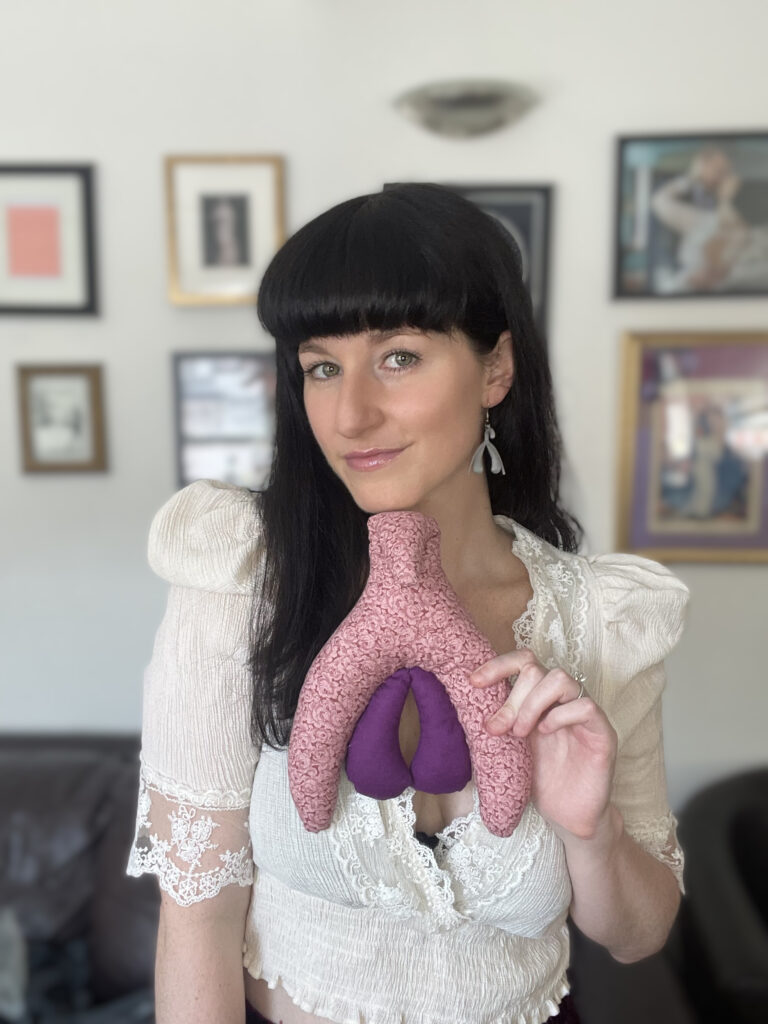
Gigi Engle is an award-winning writer, certified psychosexual therapist, sex educator, and author, specializing in Gender, Sexuality and Relationship Diversity. Gigi’s work regularly appears in publications, including Cosmopolitan, Marie Claire, Elle Magazine, Teen Vogue, Glamour, and Women’s Health. She is originally from Chicago and is based in London. Her book Kink Curious is out now.