Going Into a Stranger’s Home – The Insider’s Guide to Foster Care
This is an adapted extract from Chapter 2 titled ‘Going Into a Stranger’s Home’ of The Insider’s Guide to Foster Care by Kim Emenike, Caydin Jay, Amy Baker, edited by Sue Knowles and Laura Lever.
A Stranger’s Home
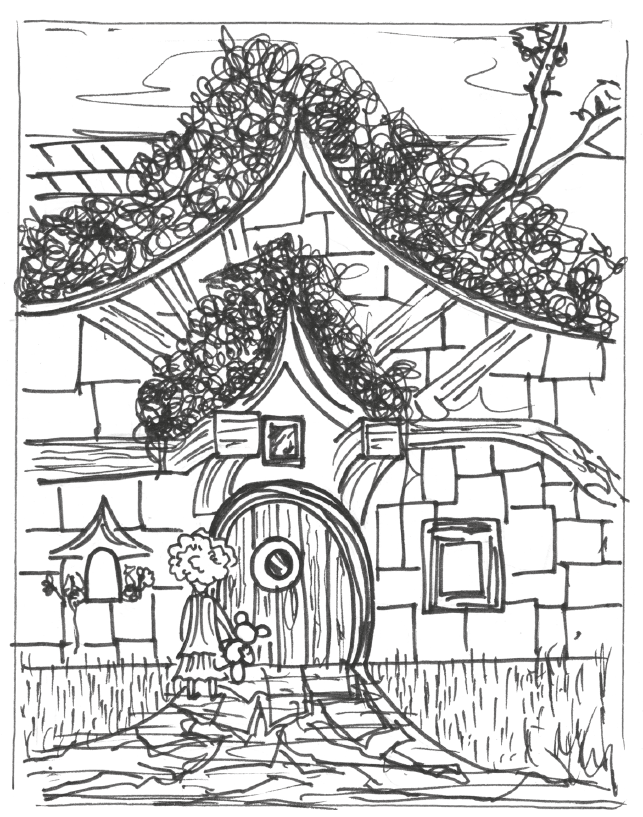
When we move into your home, everything can feel so unknown. It’s as if we’ve moved to a new country and don’t understand what the cultural unsaid rules are but know that everyone will look at us strangely if we don’t follow them. It very much feel as if we’ve moved into a stranger’s home; we’ve suddenly landed in someone else’s house, so we are a guest, but also not a guest.
Illustration by Richard Hayward.
“As a teenager, I initially didn’t know if I had to ask them when I could leave my room, go into the garden, have breakfast, or even go to the toilet. I remember sitting on the couch, thinking that I needed the toilet, but then it felt really awkward not to ask, and to just get up and go.“
Amy B.
It can feel awkward, scary, and even petrifying moving to live with a new family, whether we want to be there or not. There’s so much that’s uncertain, different, and new – unspoken rules, routines, and traditions that we know nothing about. It can be really hard to adjust and adapt quickly to our new reality.
It’s difficult for us to know how we are expected to be and what’s allowed. Essentially, each of us will have had a different background and experience of what home life looks like. For example, in your home, it might be fine for a child to help themselves to food from the fridge. But it might be that this wasn’t allowed in our family home, or even our previous foster home, and we might have been told off for it. Even if you say, ‘You don’t have to ask’, not asking might feel uncomfortable at first, and we might worry that we’re doing something wrong. So these changes in rules can feel like a massive culture shock. It’s hard to adjust.
Also, sometimes we might not know that our ‘normal’ isn’t ‘normal’ to your everyday family. There might be things that we experienced in our childhood that we’ve always assumed happened in other families (such as physical punishment when we did something wrong, or not being allowed out of our rooms at night), so it feels very confusing to find out that this isn’t a typical rule within a family home. It can then feel alien to try to fit into a new ‘perfect’ family situation.
“Going into care actually made me notice and become aware of some of the abuse I had experienced when I lived at home with my dad and stepmum. Things like not being allowed to stroke the family dog unless there were people present, as well as being made to eat standing up unless it was an occasion, or being forced to eat all the sugary foods in the house because I took a can of pop that wasn’t mine. Although this may sound obvious, this was normalized to me until I came into foster care, and so it felt bizarre to me that this wasn’t how my foster carers did things.“
Mia
Meet the Team
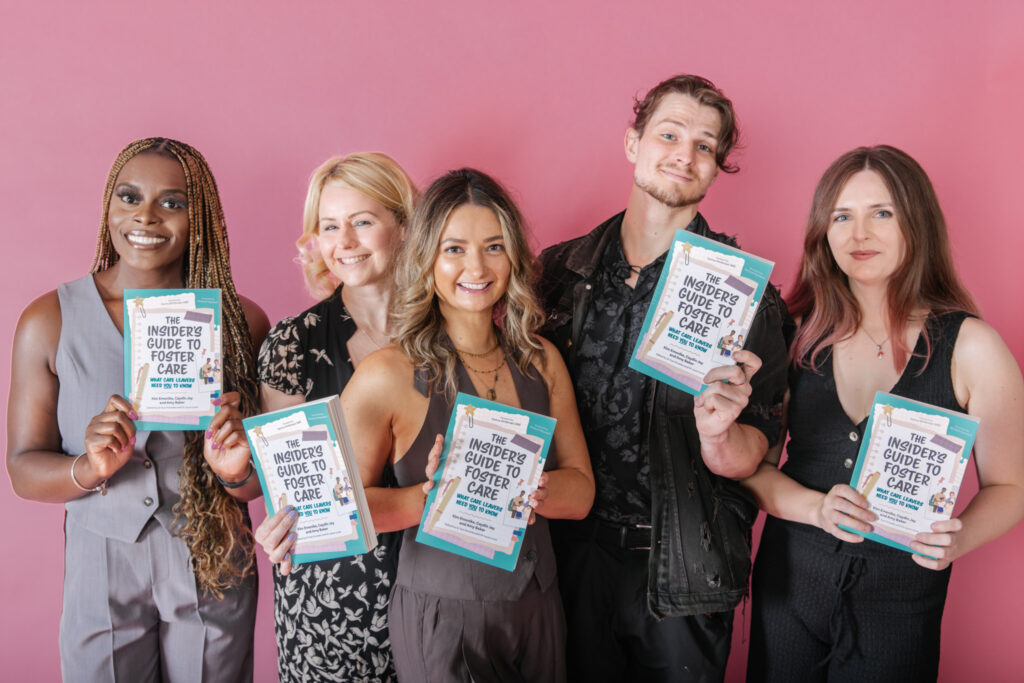
Dr Sue Knowles is a Consultant Clinical Psychologist, Lead for Changing Minds Child and Family Services (www.CMCAFS.com), a Researcher and Author of psychologically informed self-help books for young people.
Dr Laura Lever is a Principal Clinical Psychologist and leads a service for children in care within the NHS. She has been passionately involved in coproduction work with young people, lifting voices that would otherwise be underrepresented.
Caydin Jay is a care leaver, entering at 15, experiencing both foster and residential care, and now currently working as an IT field service engineer with intentions of further education.
Kim Emenike was in foster care for 10 years. She is the founder of The Helen Okani Bakery, an advocate for the care experienced community and works as a Project Manager.
Amy Baker was in foster care from the age of 14. She is now a qualified social worker who advocates for children and young people daily whilst balancing a beautiful family of her own.
The Insider’s Guide to Foster Care is out in paperback and ebook on the 18th September 2025.