“That’s So Nice of You to Say”: Teaching Kids How to Receive Compliments
By Signe Whitson, author of How to Be Angry: An Assertive Anger Expression Group Guide for Kids and Teens. As a therapist, I have talked…
By Signe Whitson, author of How to Be Angry: An Assertive Anger Expression Group Guide for Kids and Teens. As a therapist, I have talked…

By Signe Whitson, author of How to Be Angry: An Assertive Anger Expression Group Guide for Kids and Teens. Do you know a child who…

“I’d like to think that balancing the individual and social approaches to crisis does offer something special at a time when people may be so burdened by stressful/crisis situations that they may take too much on themselves. This book really emphasises the idea that crises happen in a social context, that social supports can mitigate the devastating effects of a traumatic event and that a lack of social support can make even a simple problem seem insurmountable.”
By Signe Whitson, author of How to Be Angry: An Assertive Anger Expression Group Guide for Kids and Teens. It’s one thing to write about…
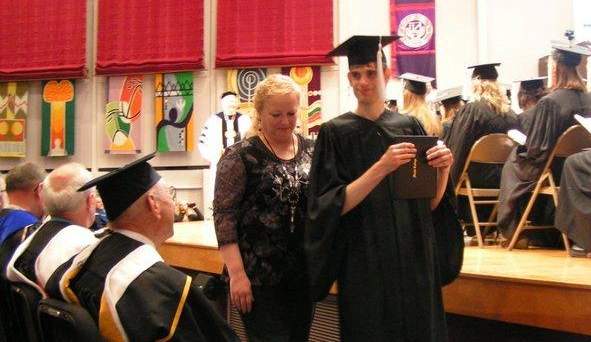
HUGE congratulations to poet and JKP author Craig Romkema who, after ten years of hard work and dedication, has graduated with a Bachelor of Arts degree…
By Signe Whitson, author of How to Be Angry: An Assertive Anger Expression Group Guide for Kids and Teens. Pack lunch or buy it? Headband…
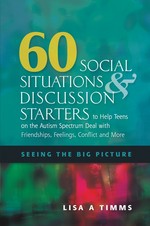
“I think parents are a key component to teens understanding the social puzzle. No one knows a child better than their parent and every family has its own set of values. If parents work together with their teens it will not only bring guidance to the teen but also insight to the parent on how their teen thinks. Parents can guide their teen to responses that are acceptable within their own family values.”
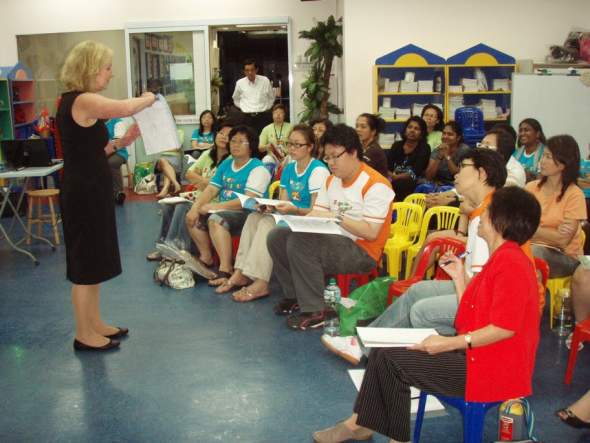
This Spring, JKP author Mary Mountstephen was invited to Singapore and Malaysia to give a presentation based on her book, How to Detect Developmental Delay…

“…I just could not believe how much information I had to read through to gain useful approaches for working with children in the education setting. I just knew that during my time as a classroom teacher I would never have had the luxury of completing this much reading for just one of my students and I became determined to distil down what I had learnt into a quick access guide for teachers.”
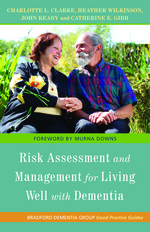
“People with dementia continue to have decisions about them made by other people who bring to that decision their own views of safety and risk – these can be very profound decisions such as where someone will live in the future. It continues to be essential to develop services that respect the views of people living with dementia so that the care they receive is of high quality (and this is not necessarily care that is ‘risk free’).”