Help at last for the Aspergirls: Telegraph article features new JKP book by Rudy Simone
Today the Telegraph has published an article called ‘Help at last for the Aspergirls’ that features comments from JKP author Rudy Simone about her new…

Today the Telegraph has published an article called ‘Help at last for the Aspergirls’ that features comments from JKP author Rudy Simone about her new…
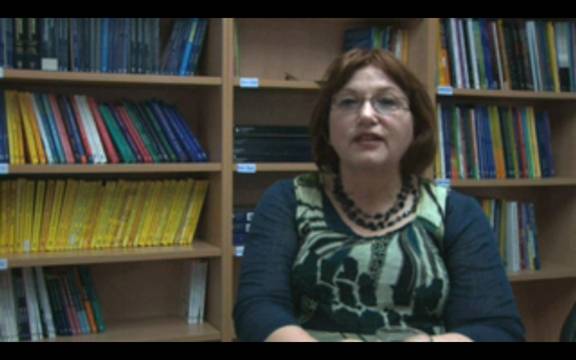
Author Liz Beddoe recently stopped by JKP’s London HQ to record a short video highlighting some of the key features of the new book, Best…
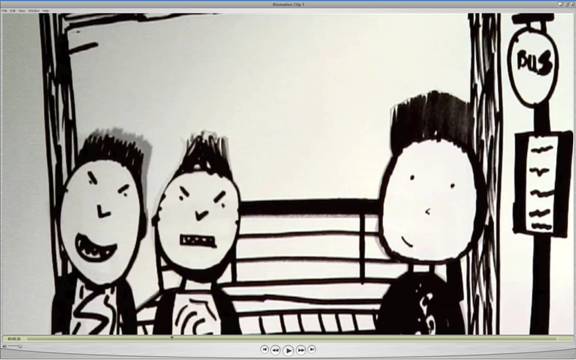
**Winner – International Animation Award, Edinburgh Mental Health & Arts Festival 2008** Created by pioneering science and youth arts project Biomation, An Animated Introduction to…

“…it’s challenging for students with ASD to participate in “non-preferred” tasks. As such, parents of students who go away for college worry that their student will spend most of his time playing video games, rather than focusing on college studies. Sadly, the risk of this happening is quite high. However, students can learn strategies to manage and balance their time, provided the student receives adequate programming throughout his life.”
“…autism helps us appreciate diversity of looking at and interpreting the world. There is no ‘correct’ way to perceive our environment. The exploration of the ways in which autistic individuals think and perceive the world assists us in understanding the diversity of our own nature and our own experiences. Autism shifts the focus of our exploration from the practical everyday activities of life to understanding what it means to be human, and the necessity of recognising the rich diversity of life. Many of us still do not trust anything that is different from ‘normality’. However, there are many different ways to see the same thing, and each of them may be correct if seen from the right perspective.”
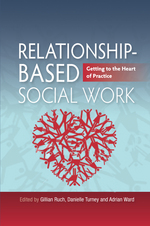
Children & Young People Now have featured a great article from JKP author, Dr Gillian Ruch, in which she argues that a focus on improving…
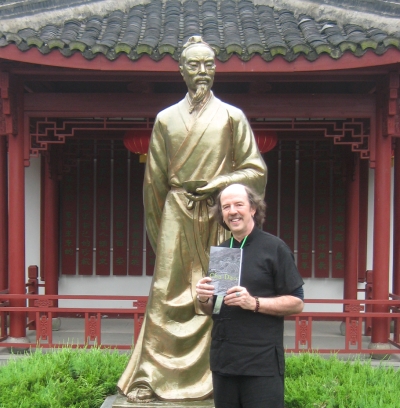
By Solala Towler, author of Cha Dao: The Way of Tea, Tea as a Way of Life. No matter what cultural differences exist between people,…

“Then came the opportunity to plan a new style of dementia care home, right in the heart of the catchment area, and the positive effects on relatives’ guilt and strain were palpable. [Relatives] visited more often and felt considerably more involved. But there were tensions too; relatives were often dissatisfied with staff, and staff felt that relatives were more of a problem than the residents. It became clear that the relationship between staff and relatives needed just as much attention as that between staff and residents.”

‘Placing the relationship at the heart of practice means recognising that, as we suggest in the Introduction, ”despite all the continuing upheavals in policy and procedure, social work [will] always begin and end with a human encounter between two or more people” and that this encounter, or relationship as it develops, is the medium through which the social work task can be carried out. Social work is never a neutral activity but can, at its best, offer a vulnerable or distressed person the experience of being valued, supported and understood – perhaps for the first time.’

“…an Aspergirl’s most prized possession is her unique intelligence and she wants to be appreciated for that more than anything. Her education and utilisation of her unique skills is the key to a satisfying, fulfilled life. Some will want socialising, some won’t, but it is important that she learns to value others, so that she does not end up isolated, and so she can share those gifts with the world.”