British Medical Association (BMA) Honours Three JKP Titles at 2011 Book Awards
We were so thrilled that three JKP titles were honoured at the prestigious 2011 BMA Medical Book Awards, which took place on Wednesday, 14th September at BMA House in…
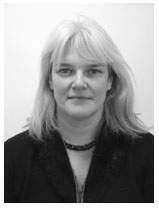
“As I talk about in the book, my best transformative moments in supervision both as a supervisor and supervisee have come from boldness and braveness. They’ve also come from courage and creativity, where the supervisor has brought their knowledge and understanding of a person into the room and made a connection, or asked a question that takes the supervisee on a new direction. It’s also when a supervisee has said, “I want to go further, I want to look deeper, not just ‘debrief'”.
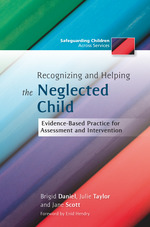
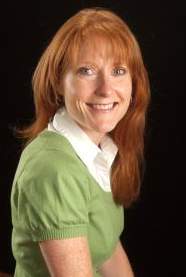
“Social workers tended to focus on responses to referrals and may need help to look beyond that to an overall picture of the child’s development. Other professional groups (such as dentists or nursery nurses or teachers) are well-placed to pick up on signals that a child might be being neglected, but may need more help to recognise this, and to know how to respond. Further, mothers in particular can recognise when they are struggling. Practitioners should not be afraid to ask them how they feel their parenting is going.”
“The analogies and metaphors in our book help parents understand eating disorders in a way that allows them to ally themselves with treatment rather than with the eating disorder. Children who believe that others grasp their experience find it easier to open up. They feel understood, respected, appreciated, and supported, thus decreasing their guilt and improving their listening.”
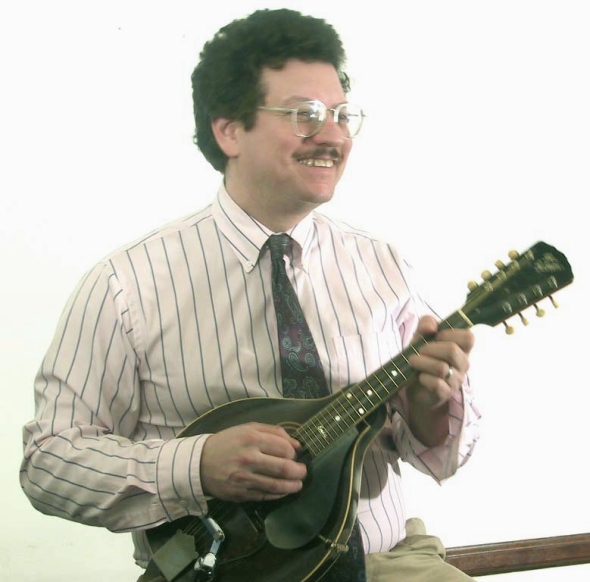
“I believe that something can only be changed when it has been fully embraced first and then it seems to drop away. Trying to change by will does not work and is a kind of violence because it is imposed, even if it is ourselves that is imposing it. So in order to facilitate change, we need to listen and accept first.”
Geri Chavis is a professor of English at St. Catherine University, Minnesota, USA, a Licensed Psycholgist in private practice, and a Certified Poetry Therapist and poetry…
“Through individual and group work we aim to get to know a child really well in order to identify their strengths as well as their weaknesses. We also work closely with parents and have an opportunity to see how family relationships work on a day-to-day basis. We use the information we gain from these close observations to establish a holistic, integrated understanding of all the important factors driving the child’s problems and then use this to plan interventions.”
“There is rarely one route into, and out of, wellness. There are often several contributing factors including lifestyle and mindset. We also need to bear in mind that wellness may not mean “no disease” or “less pain”. It may mean pathways of acceptance or transition.”
By Signe Whitson, author of How to Be Angry: An Assertive Anger Expression Group Guide for Kids and Teens. As a therapist, I have talked…
By Signe Whitson, author of How to Be Angry: An Assertive Anger Expression Group Guide for Kids and Teens. Do you know a child who…