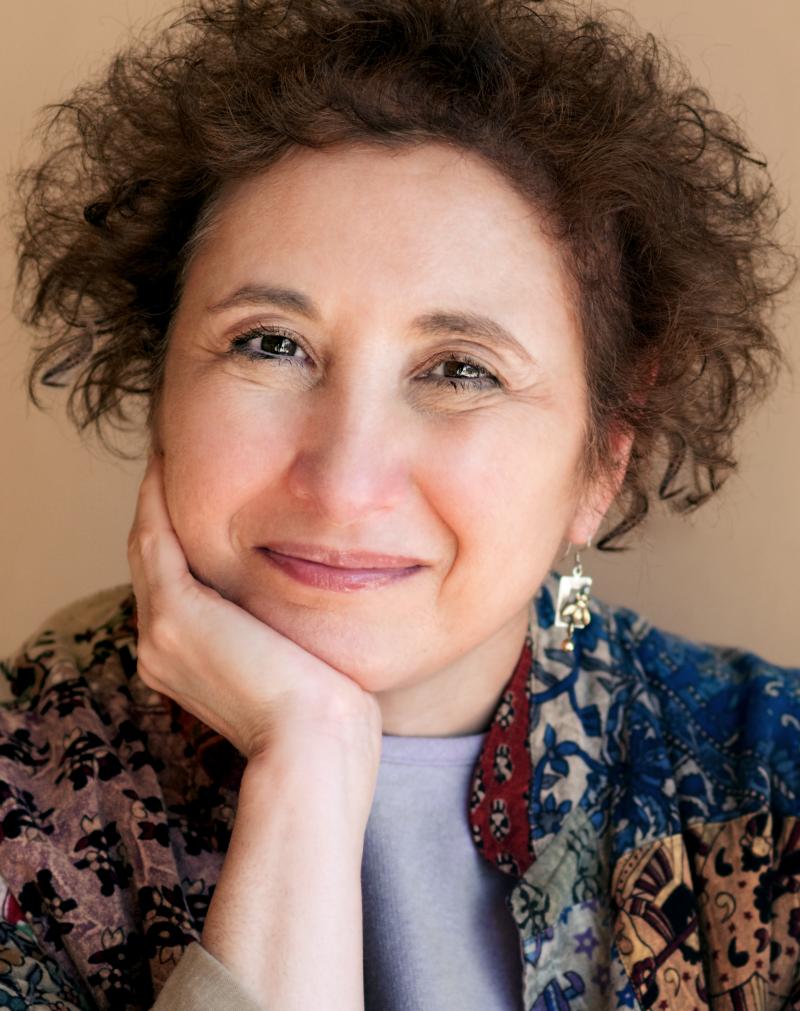
Integrating Psychodrama and Systemic Constellation Work – An Interview with Karen Carnabucci

“Psychodrama and systemic constellation work – sometimes called family constellation work – look very similar yet have some specific differences. Psychodrama explores the conscious story that we tell ourselves about what has happened in our lives or what we wish would have happened. Constellation work goes deeper, delving into the distorted unconscious energies in the family system and allows love to flow more fully through the system. Because we may have various levels of consciousness about various parts of our lives and the lives of our family members, it’s helpful to be able to choose different methods for different situations.”
Equipping Young People to Choose Non-Violence

“The continued need for comprehensive and co-ordinated policies to address the disadvantaged and troubled familial, social and cultural experiences of many young people will always be critical in dealing with many aspects of societal violence. To expect individual young people to be able to always choose ‘non-violent’ approaches just through individual work without cognisance being given to the bigger picture of their lives is unrealistic.”

Bullyproofing – Four Steps to Build Your Daughter’s Personal Power

“Bully behavior occurs in overt forms, such as hitting, name calling, and teasing as well as through relational aggression – a virulent style of bullying most prevalent among girls, in which relationships are manipulated to settle grudges. This more covert style of rumor spreading and social exclusion is bred by the round-the-clock availability of popular social networking sites… Even when the final school bells rings, many young girls deal with relational aggression 24/7.”

Transformative Supervision for the Helping Professions – An Interview with Nicki Weld

“As I talk about in the book, my best transformative moments in supervision both as a supervisor and supervisee have come from boldness and braveness. They’ve also come from courage and creativity, where the supervisor has brought their knowledge and understanding of a person into the room and made a connection, or asked a question that takes the supervisee on a new direction. It’s also when a supervisee has said, “I want to go further, I want to look deeper, not just ‘debrief'”.

A different way of thinking about foster care – An Interview with Dr Annabel Goodyer

“I would like to think that fostering will become less regulated, less “professional” and more like normal parenting. We need to select foster carers who can be “Good Enough” stable parents to children and young people who can sometimes be difficult and demanding. We need to trust them to get on with the task and offer support, back-up and additional services when and if they are needed”

Art Therapy and Postmodernism – An Interview with Dr. Helene Burt

“This book comes at a time when world events indicate our need to see from the perspective of the other or others… Authors from different communities and cultures come together in this book to help us all stretch our ways of seeing and practicing. Art therapists are in a unique position to use our life-giving creative energies to create positive change in the world.”

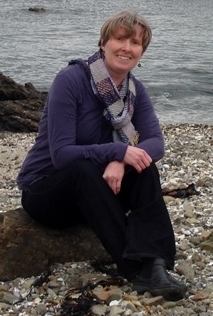
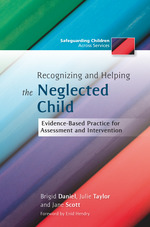
Recognizing and Helping the Neglected Child – An Interview with Brigid Daniel, Julie Taylor and Jane Scott

“Social workers tended to focus on responses to referrals and may need help to look beyond that to an overall picture of the child’s development. Other professional groups (such as dentists or nursery nurses or teachers) are well-placed to pick up on signals that a child might be being neglected, but may need more help to recognise this, and to know how to respond. Further, mothers in particular can recognise when they are struggling. Practitioners should not be afraid to ask them how they feel their parenting is going.”