Working with children & emotions; an exercise for calming down a class
Working with children & emotions; an exercise for calming down a class Amie Taylor, author of ‘The Monster Book of Feelings’, shares a tried-and-tested exercise…
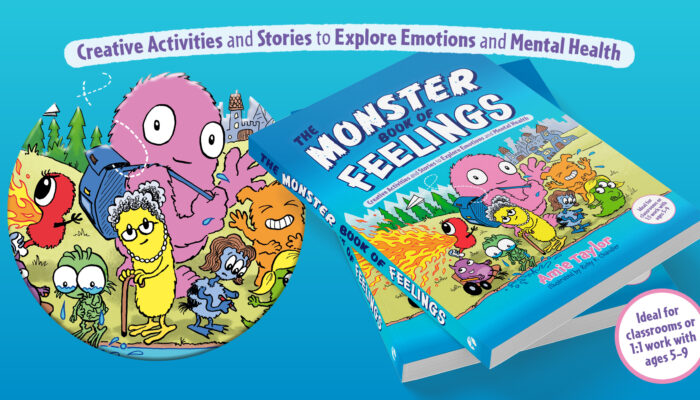
Working with children & emotions; an exercise for calming down a class Amie Taylor, author of ‘The Monster Book of Feelings’, shares a tried-and-tested exercise…
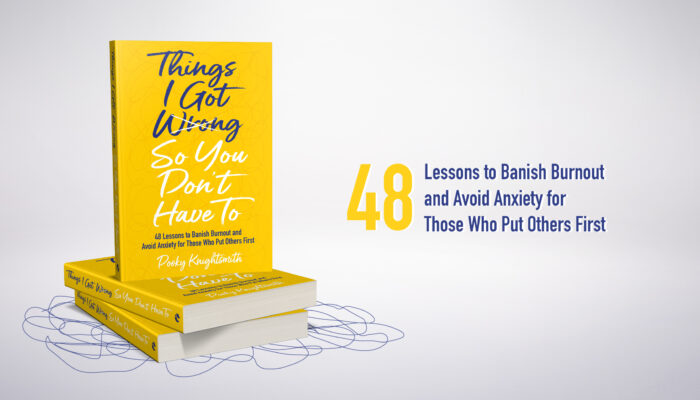
Don’t feed the trolls – an extract from ‘Things I Got Wrong So You Don’t Have To’ by Pooky Knightsmith As an internationally respected campaigner,…
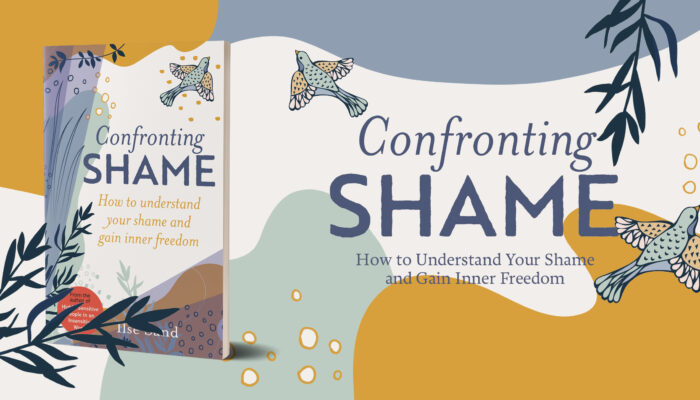
There’s No Shame in Failure: Ilse Sand’s 7 Tips For Living a Life with Less Shame In this blog post, Ilse Sand, author of Confronting…
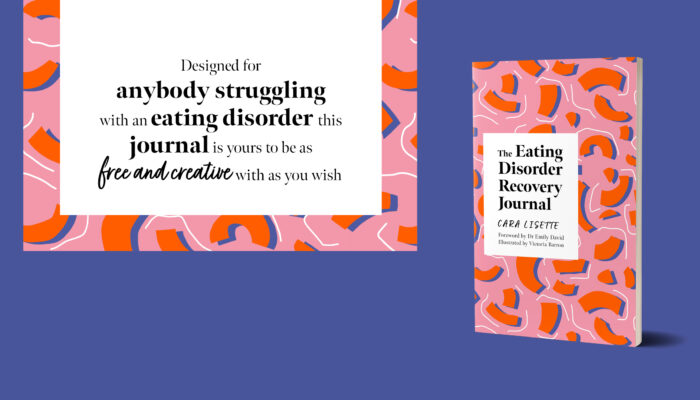
“It’s okay to accept myself as I am” – Q&A with Cara Lisette Journaling the way to recovery … With 19-years lived experience of anorexia,…
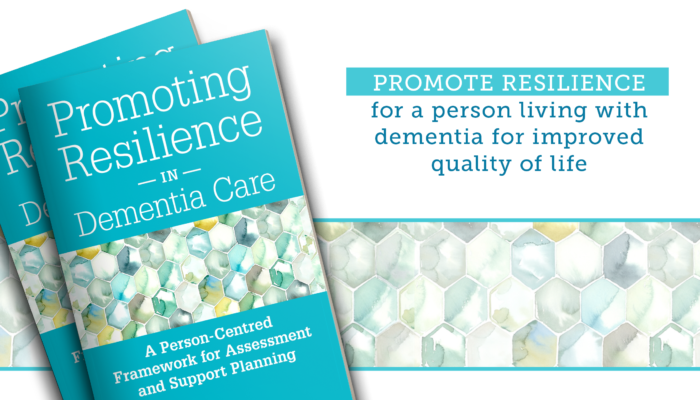
Resilience can help us to problem solve and see everyday life from the perspective of the person with dementia. Dr Julie Christie explains its importance and the small acts that can have big impacts.
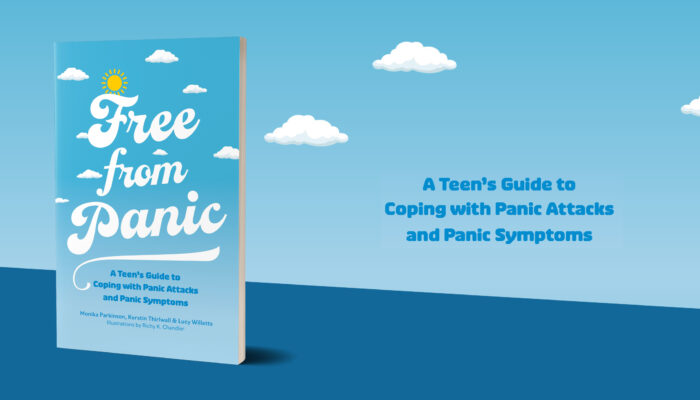
Why do some of us struggle with panic symptoms and some of us don’t? Taken from the first and third chapters of Free From Panic…
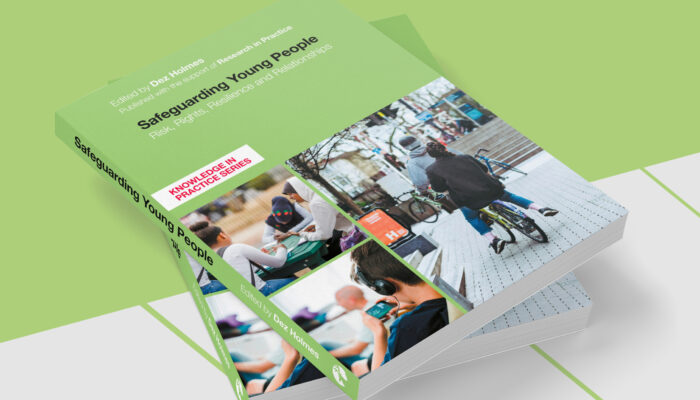
Work with young people facing harm is an ever-evolving area of work, where the stakes are high and where policy and practice are often developed in response to crisis, leading to reactive and defensive approaches. The book I have edited – Safeguarding Young People: Risk, rights, relationships and resilience – tries to take a step back; to create space for reflection to allow a more aspirational and evidence-informed reframing of the issues.
By Dr Samuel Kelly, author of The Greater Me Cards As an Educational Psychologist, my role is often to collaborate with schools and organisations to…
Good friends are vital for children with dyslexia. Having classmates they feel safe with and who are understanding can make all the difference to their…
Read Clare Erasmus’ top 10 practical tips on how to make a school a mentally healthier place.