Josh Muggleton’s Top Tips for people on the Autism Spectrum – Tip #1: Making Friends
In this new series of videos, Josh Muggleton gives his Top Tips on various subjects for people on the Autism Spectrum. This month, he offers…
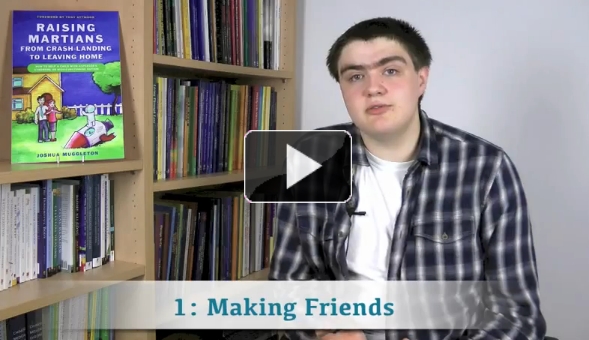
In this new series of videos, Josh Muggleton gives his Top Tips on various subjects for people on the Autism Spectrum. This month, he offers…
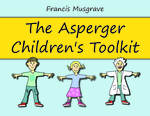
“Kids with High Functioning Autism (HFA) and Aspergers, are very self-aware, and crave social interaction. We work with them to facilitate this, not only to make socialising a rewarding experience but to help them see and remember how it is achieved. It requires constant and persistent reinforcement, but it really pays off. “

“Getting a child with ASD into a garden has so many benefits, not least that they are given some autonomy outside. The most immediate benefit will be a sense of relief and welcome break from the classroom environment. Whilst gardening, we’re practicing social interaction and life skills, and working with soil and plants helps to reduce tactile defensiveness. Learning basic horticultural skills educates in context, and along the way you will also see an increase in language and communication skills.”

“When I assign this book to parents, they unanimously say: ‘That’s it! That’s my child!’ It is so exhilarating to understand the core issue and apply strategies that work.”
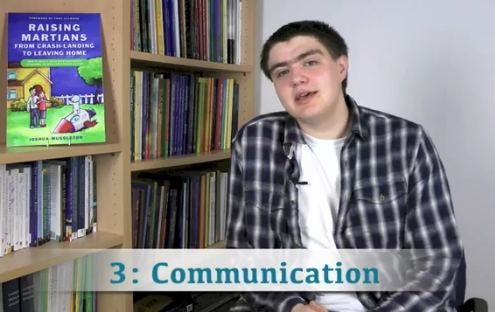
In the third video instalment of Josh Muggleton‘s Top Tips for Parents, Teachers and Professionals, Josh addresses how to improve communication with young people on the…
“When we were creating our Reward Plan we decided that it had to be 100% focused on the positive… [W]e were well aware of the negative impact our son’s out-bursts were having on his self-esteem, and we certainly didn’t want to add to that! And so our Reward Plan was born, and I am not exaggerating when I say that it was almost an over-night success.”
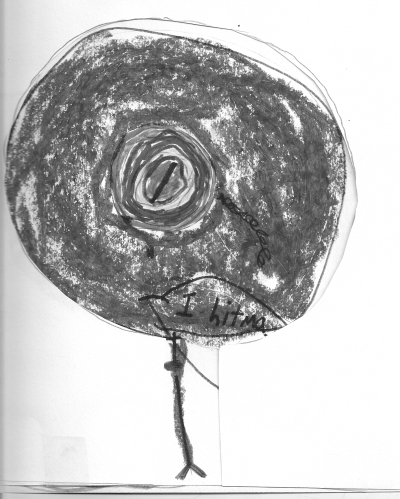
” I hope readers will become less afraid of rocking the boat of authority that urges us to make the child talk in adult terms about what the adult world deems important to them. Rather than having children be obedient patients, I want to encourage us to attempt in our work to foster true self-possession, knowing how very hard it is to achieve. I urge us all to fight the tendency to negate emotion, to negate aggression, to negate anything and everything that pulsates with life and therefore stirs things up.”
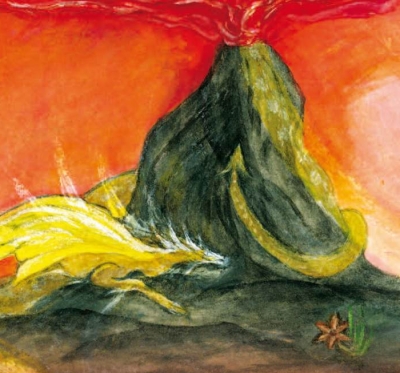
“With rare exceptions, the academic and professional world doesn’t support a dynamic approach to play therapy (or often the use of play in therapy at all). There is an ever-greater thrust to pathologize the child and the family and this is often where the therapist/therapy stops: diagnosis leads to stasis. This needn’t be so. We can and should have an understanding of what is going on in the child and in their life, but unless we then engage the child in real play, we have not accomplished much. Children need to be allowed to be children and speak their language not ours.”

“The deeper [sand]box, with its capacity for burying and sinking and erupting, fit the overall view I have developed which I call Dynamic Play Therapy. My approach is interactive and encourages and even provokes what I see as contained wildness in the service of healthy ego development and a natural sense of self-regulation. The work and my thinking about it still continue to evolve. Even as I write these words new ideas are surfacing based on sessions this week with several children. … My interest has been to understand how children experience their lives and best speak about them, knowing that their language is fundamentally different than ours as adults. They speak in images just as we dream in images. So I spend my days offering them materials and a safe space in which to speak thus.”

“The book was a labor of love… The overriding message is that cognitive flexibility is the hallmark of a productive, happy and healthy young adult. All other growth is predicated upon being open to change and feedback and understanding who you are and accepting it.”