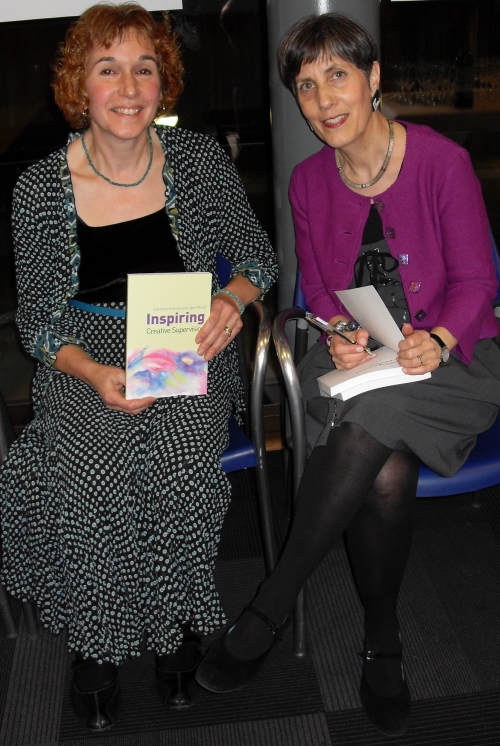
Parallel Process Revealed Through Creative Supervision

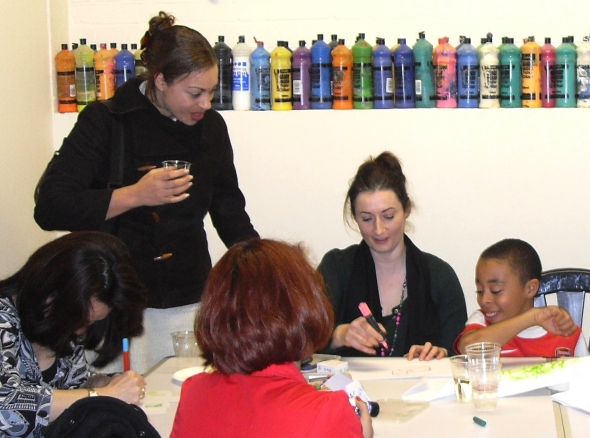
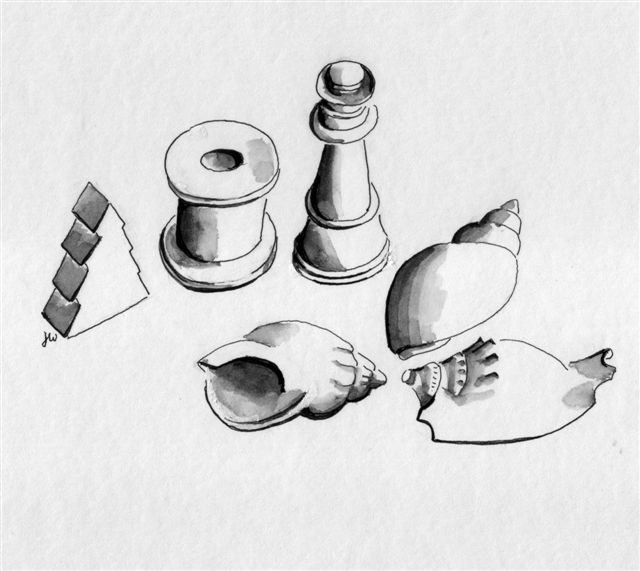
“The act of creation can be experienced in different ways – it might be meditative or energetic. It enables the supervisee to review their issues from a different perspective. The advantage of using stimulating external resources means that the supervisee can step back and become the observer of their own creation. Effectively they become their own supervisor to your meta supervisor.”
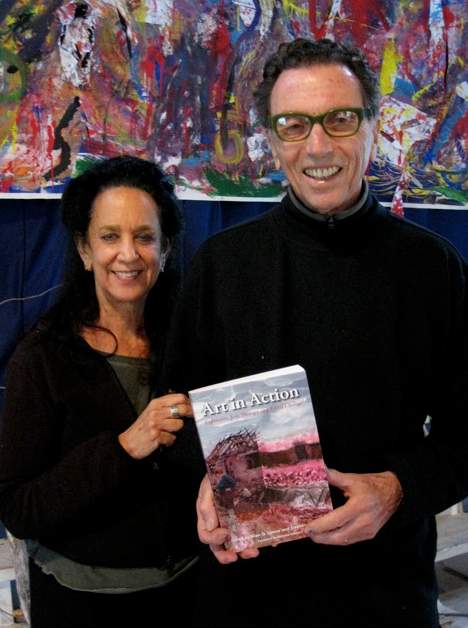
“Dancing at the crossroads and playing on the battlefields” – An Interview Stephen Levine and Ellen Levine, authors of Art in Action

“To focus on conflict usually means that individuals and groups get stuck in polarizing positions and are unable to see alternatives. Art-making, within an expressive arts framework, ‘decenters’ from the usual perspective and opens up new possibilities. It also makes us aware of resources that we might have otherwise overlooked in our focus on our difficulties.”

The Choices Game: Helping young people make positive choices and stay safe – An Interview with creator Christopher McMaster

“Sometimes we adults make the mistaken assumption that young people have acquired the skills they need to be safe, when these skills often need to be explicitly taught…Rather than hoping for the best, we can prepare our vulnerable youth as well as we can by familiarizing them with some of the risks they may encounter and teaching that they can make choices—empowering them to be able to say ‘No!’ or ‘Stop!'”

Lisa Spillane on How Qigong can help children who feel ‘pushed and pulled’ by their emotions

“…it dawned on me how ridiculous it was that even though I’d had this body for so many years and took an interest in health and nutrition, I was unable to confidently point to my spleen, pancreas or liver. I thought to myself that if I’d learned these exercises as a child, not only would I have known more about my body but I’d have been able to help myself in those dark times when I felt pushed and pulled by my emotions.”

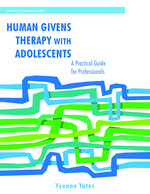
Dr Yvonne Yates on using Human Givens Therapy with Adolescents

“I’ve found Human Givens to be especially useful with children and adolescents because they generally crave interactions with others who give them their full attention, and are interested in what they have to say. They take well to setting their own goals, and identifying their personal resources, which helps them to address their areas of difficulty. They also enjoy working creatively to build up their skills, and meet their needs, which the approach allows for.”

Aspies on Mental Health – Editor Luke Beardon talks about the latest book in the ‘Adults Speak Out about Asperger Syndrome’ series

“I was humbled by the contributions [to this book]; the openness, willingness, and selflessness of the accounts are stunning. The stark reality of the experiences of the contributors is extremely powerful, and I can only hope that professionals reading the book really do take to heart what people are saying, and the devastating effect mental health can have on people with AS.”

Toward an independent lifestyle – Karra Barber talks about her new skill-building workbook for teens and young adults on the autism spectrum

“My son is seventeen and is approaching the age of maturity. In an effort to prepare him toward an independent lifestyle (his goal as well), I knew we needed to build his life and community skills. I wanted him to feel confident in everyday tasks such as buying food, returning an item at the store, going to the bank, washing clothes, using public transportation or making himself a meal…”