A tribute to renowned play therapist Ann Cattanach
JKP first published Ann Cattanach’s work in the early 1990’s, by which time she was an established play therapist, confident in her ability to help…
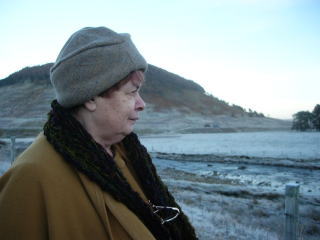
JKP first published Ann Cattanach’s work in the early 1990’s, by which time she was an established play therapist, confident in her ability to help…

“I had asked my social work students what additional topics they would like me to lecture upon. As a law lecturer I had explained how they could be sued for negligence and how easily they, and their evidence, could be misrepresented in court. So I should not have been surprised when they said they wanted to know how to take decisions that would avoid liability…”

“For me the biggest challenge is recognising effective practice and, in the same way that we have begun to pay more attention to resilience amongst children and young people, we should be considering what makes for a resilient workforce. Why is it that some practitioners can continue to work effectively with service users when others in the same or similar settings struggle?”
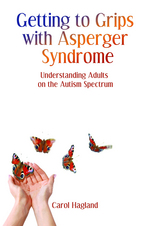
“Adults with AS seem so often to be regarded as a frustrating puzzle. I have spent much of the last ten years or so teaching and training people to understand and manage the problems that AS can present, and it seemed that this was an area where lots of people, regardless of their level of training, would welcome some help.”
“Traumatized children tend to re-create their trauma, often experiencing bad dreams, waking fears, and reoccurring flashbacks.. Young children have a very hard time putting these behaviours into any context of safety. Many withdraw and isolate themselves, regress and appear anxious, and develop sleeping and eating disorders as a mask for the deep interpretations of their trauma.”

“I found…that it is extremely difficult for us white people to understand our position in a racial context. Many people I spoke to wondered if ‘white’ meant anything at all and I started by questioning if there was anything to look at. Then gradually the meaning of whiteness in a racial context became apparent, like shapes emerging from a white page. It was both fascinating and salutary.”
“I have always loved stories about creative, strong, gutsy heroines such as Anne Shirley and Jo March from Little Women, and I try to bring that energy to my work with girls and young women with ASDs—embracing challenges, overcoming obstacles, and finding a “kindred spirit” along the way.”