Misdiagnosis in Neuromuscular Disorders – What Grandparents Need to Know
By Charlotte E. Thompson, MD, author of Grandparenting a Child with Special Needs. Over the years, many grandparents have contacted me about how to be…
By Charlotte E. Thompson, MD, author of Grandparenting a Child with Special Needs. Over the years, many grandparents have contacted me about how to be…
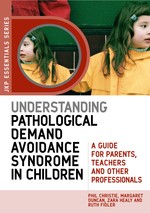
“Many parents tell us that they have struggled to find a diagnosis that ‘makes sense’ of their child’s development and behaviour. Often they have read the descriptions of PDA and comment on how it is ‘like reading my child’s life story’. These parents don’t just want a label for their child – although they are often criticised for just that – but they want a way of understanding him or her. With understanding, they can then move forward knowing the best ways in which to manage their children, encourage them to be less anxious and reduce some of the outbursts that are having an impact on all of the family.”

“I would like to think that fostering will become less regulated, less “professional” and more like normal parenting. We need to select foster carers who can be “Good Enough” stable parents to children and young people who can sometimes be difficult and demanding. We need to trust them to get on with the task and offer support, back-up and additional services when and if they are needed”
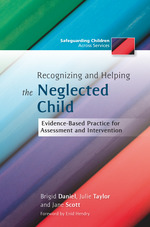
“Social workers tended to focus on responses to referrals and may need help to look beyond that to an overall picture of the child’s development. Other professional groups (such as dentists or nursery nurses or teachers) are well-placed to pick up on signals that a child might be being neglected, but may need more help to recognise this, and to know how to respond. Further, mothers in particular can recognise when they are struggling. Practitioners should not be afraid to ask them how they feel their parenting is going.”

“The analogies and metaphors in our book help parents understand eating disorders in a way that allows them to ally themselves with treatment rather than with the eating disorder. Children who believe that others grasp their experience find it easier to open up. They feel understood, respected, appreciated, and supported, thus decreasing their guilt and improving their listening.”
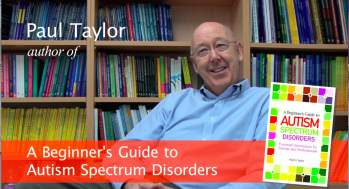
Dr Paul Taylor is an experienced consultant paediatrician working in a regional general hospital in New Zealand. He specializes in Autism Spectrum Disorder (ASD), working…

JKP attended The National Autistic Society’s conference on Understanding and Managing Challenging Behaviour held at Kensington Town Hall in London on the 6th July. The…
“once people understand meltdown triggers and why they occur the enviroment can be modified to help reduce the number of meltdowns. And more compassion instead of critism can be offered to us because we feel awful afterwards; feelings of remorse and regret are common because we didn’t want it to occur. It isn’t like we have a “quota” of so many meltdowns we need to have in a day. It just happens due to overwhelming factors beyond our (the autistic person’s) control.”
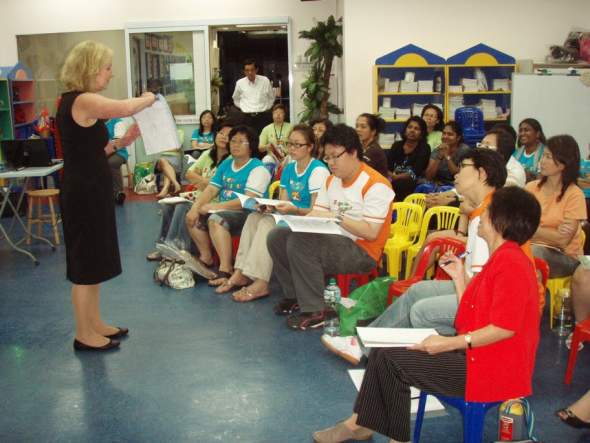
This Spring, JKP author Mary Mountstephen was invited to Singapore and Malaysia to give a presentation based on her book, How to Detect Developmental Delay…
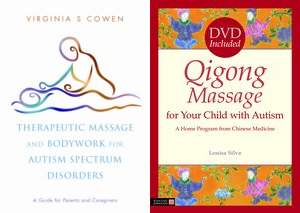
This week the International Association of Infant Massage (IAIM) has been holding events across the UK to promote baby massage as part of its National Baby…