Sushi and other objets trouvés at the book launch of ‘Inspiring Creative Supervision’
JKP was thrilled to attend the launch of Caroline Schuck (pictured right) and Jane Wood‘s new book, Inspiring Creative Supervision, last week at the University of…
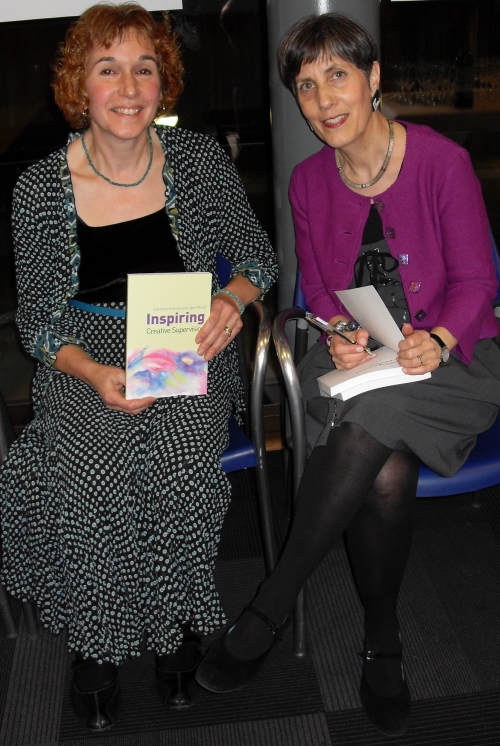
JKP was thrilled to attend the launch of Caroline Schuck (pictured right) and Jane Wood‘s new book, Inspiring Creative Supervision, last week at the University of…

By Caroline Schuck and Jane Wood, authors of the forthcoming book Inspiring Creative Supervision. Creative supervision employs the use of a wide range of dynamic…

We were delighted to accompany JKP author Christopher Badcock (pictured) to the British Medical Association’s Medical Book Awards on Tuesday night, where his ground-breaking book, The…
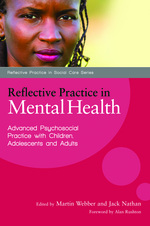
We were thrilled to launch Reflective Practice in Mental Health last night at an event hosted by the book’s editors, Martin Webber (pictured) and Jack…
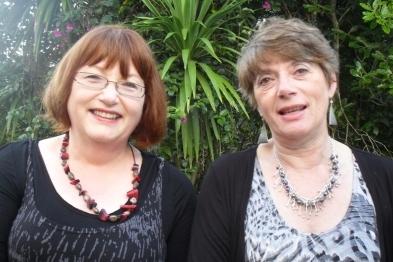
“Poor supervision can create collusion, indifference or add to the stress in the workforce. Practitioners may leave or burn out and leave…A resilient and healthy workforce is well worth the investment in training supervisors.
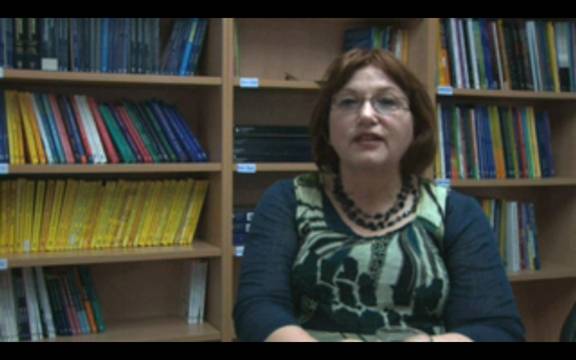
Author Liz Beddoe recently stopped by JKP’s London HQ to record a short video highlighting some of the key features of the new book, Best…
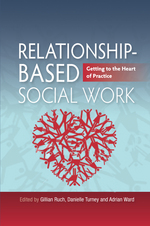
Children & Young People Now have featured a great article from JKP author, Dr Gillian Ruch, in which she argues that a focus on improving…

‘Placing the relationship at the heart of practice means recognising that, as we suggest in the Introduction, ”despite all the continuing upheavals in policy and procedure, social work [will] always begin and end with a human encounter between two or more people” and that this encounter, or relationship as it develops, is the medium through which the social work task can be carried out. Social work is never a neutral activity but can, at its best, offer a vulnerable or distressed person the experience of being valued, supported and understood – perhaps for the first time.’

“Through sensitively handled, creative interaction and by the use of ‘creative’ approaches with traumatised young people their characteristic rigidity begins to loosen. New possibilities emerge, the mutative nature of create endeavours. In time, they may be able to see painfully familiar situations in different and helpful ways that can lead to their forming a new response.”

“…practitioners need to ensure they do not hide behind protocols and prescriptive techniques in order to create an authentic human relationship in which to truly understand their client and undo the dehumanisation inherent in interpersonal abuse.”