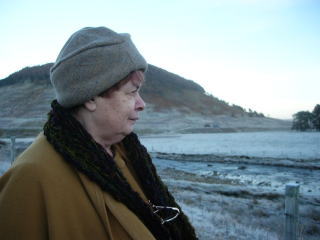
A tribute to renowned play therapist Ann Cattanach
JKP first published Ann Cattanach’s work in the early 1990’s, by which time she was an established play therapist, confident in her ability to help…
“I think it is important for newly-qualified social workers to understand that they won’t be able to develop a successful and satisfying career, in which they can make a sustained and positive contribution to the well-being of the children and families they are working with, unless they make sure that they look after themselves.”
“The use of pictures to illustrate “what it sounds like” and “what it really means,” also helped the children to gain better understanding of the idioms. But I also realized that any child understands language better if it has context and relates to their own experiences…”
“…the preoccupation with ‘youth’ is at the expense of ‘justice’. Too readily such systems exist or at least function so as to punish and to challenge individual young people rather than to question the extent to which the wider society is as much, if not more, to blame for the disadvantages they face.”
“Place is, in my view, critical as the particular circumstances and context for each family and individiual are an essential element of understanding their issues and their ambitions. Work with individuals and famillies is never context free, and ensuring that we have a clear focus on place and on ensuring that work is specific in that way, we are more likely to be able to set realistic amibitons and align services to meet those desires.”
“I am always inspired by my patients and their families and how they cope and bravely make the best lives they can for themselves. I keep my desire to help alive by the strength and altruism of the people I have gotten to know through this work. I truly love my work and feel lucky to be asked to help in this incredible challenge of our age.”
“I had asked my social work students what additional topics they would like me to lecture upon. As a law lecturer I had explained how they could be sued for negligence and how easily they, and their evidence, could be misrepresented in court. So I should not have been surprised when they said they wanted to know how to take decisions that would avoid liability…”
“For me the biggest challenge is recognising effective practice and, in the same way that we have begun to pay more attention to resilience amongst children and young people, we should be considering what makes for a resilient workforce. Why is it that some practitioners can continue to work effectively with service users when others in the same or similar settings struggle?”
“The 5p Approach evolved over several years as a result of my work as a psychologist within schools. I grew increasingly concerned that I was often called in to deal with behaviour difficulties after the event, when a better understanding of autism and the reasons for the behaviour occurring could have prevented many problems arising in the first place…”
“Many people equate justice having been done with the administering of a punishment, and in schools and residential child care contexts a similar expectation prevails, or is believed to prevail. The logic is that if somebody does a bad thing then a bad thing needs to be done to them. […] A restorative response, with its focus not on blame, punishment and alienation but on repair and re-connection, encourages a wrongdoer to take responsibility for the harm they have caused, and gives them an opportunity to repair the harm…”