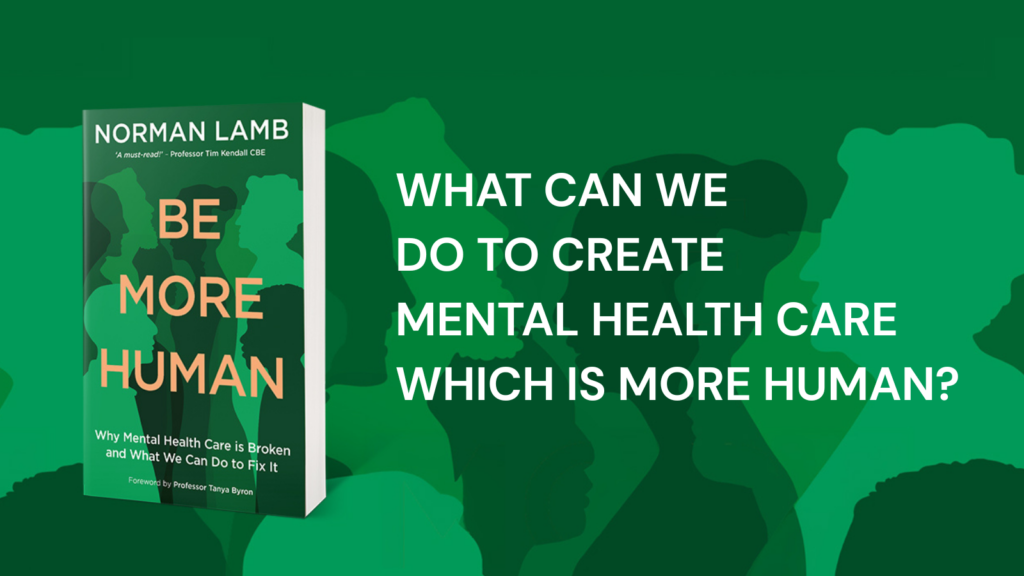
Sir Norman Lamb, former Health Minister, is a trusted voice in mental health campaigning following years of listening to those impacted by the system. He also has familial experience navigating a broken mental health care system.
In Be More Human: Why Mental Health Care is Broken – and What We Can Do To Fix It, Lamb brings together facts and lived experience case studies to shine light on a system that he deems ‘outdated, excessively institutional and coercive – and lacking basic humanity.’ For Lamb, part of the problem rests in how as a country ‘we pay scant attention to combatting the likely causes of poor mental health and how we can prevent people from falling into crisis.’
Read the extract below to learn more about this problem and read Be More Human for further insights into the current mental health care system, and the urgent steps Lamb suggests we take to improve it:
When I first arrived to take up my role as Chair of the South London and Maudsley NHS Foundation Trust in March 2020, I was struck by an uncomfortable truth. Our Trust, like most others, was overwhelmed by need, with long waiting lists, staff under constant and unsustainable pressure, and often unable to respond effectively to people in crisis because of the sheer number of people experiencing acute illness.
Yet, despite an extraordinary concentration of expertise in mental health within our organization, we were not really involved in any significant way in how we prevent people from experiencing poor mental health or even how we might prevent those already unwell from falling into crisis.
When I raised the need for us to focus on prevention with our then medical director, his response was: ‘We are not commissioned to do that.’ He was of course right. The role of NHS Mental Health Trusts, and equivalent organizations in Scotland, Wales and Northern Ireland, is essentially passive – structured to respond to ill health rather than prevent it from occurring.
This is a wider issue too. As a society, we all pay too little attention to how we prevent ill health, both physical and mental.
There’s also a problem with policy. A report by the thinktank Demos1 highlighted the lack of long-term focus in government, asserting: ‘We only step in once people have reached a potentially avoidable crisis.’ It called for a new approach that measures the value of prevention and is transparent in terms of budgeting for spending on prevention. That lack of focus on prevention and early intervention was also highlighted by a government review chaired by former John Lewis boss Sir Charlie Mayfield. Their initial report on economic inactivity and ill health in March 2025 says that the UK fares worse than many other countries: ‘In countries that perform better, the balance of investment and incentives within their systems is weighted towards prevention, retention and rapid rehabilitation. In the UK, it is not.’2
It feels almost callous for us all to stand by, knowing what many of the likely triggers of serious mental illness are, while doing nothing to prevent the calamity that strikes so many families and drives too many people to desperation or even suicide. So, what is going wrong? We know that about 75% of mental health problems have emerged by the age of 24 so it seems particularly important to understand some of the factors affecting children and young people. There are any number of influences we could explore – including the role of poverty and unemployment – but it strikes me that there are three particularly pressing issues which we are failing to address:
• The impact of adversity in childhood – including traumatic experiences such as sexual or physical abuse, neglect, racism, bullying and the consequences of poverty.
• Our ‘conveyor belt’ response – think of the example of Jamal. How we respond to behavioural issues in schools, and the over-representation of a range of special needs including mental health challenges among those excluded from school, and later in prisons, only serves to make the problems even greater.
• The dramatic rise in mental distress and anxiety among young people – while at the same time, the world around us is changing rapidly with little control over its potential impact, including widespread use of smartphones and social media during childhood and adolescence.
In Be More Human, Sir Norman provides a timely examination of UK mental health navigating areas such as the treatment of Black individuals and those with Learning Disabilities, a systemic over-reliance on Antidepressants, and the connection between mind and the body, whilst exploring empowering case studies that show how the system can change for the better.
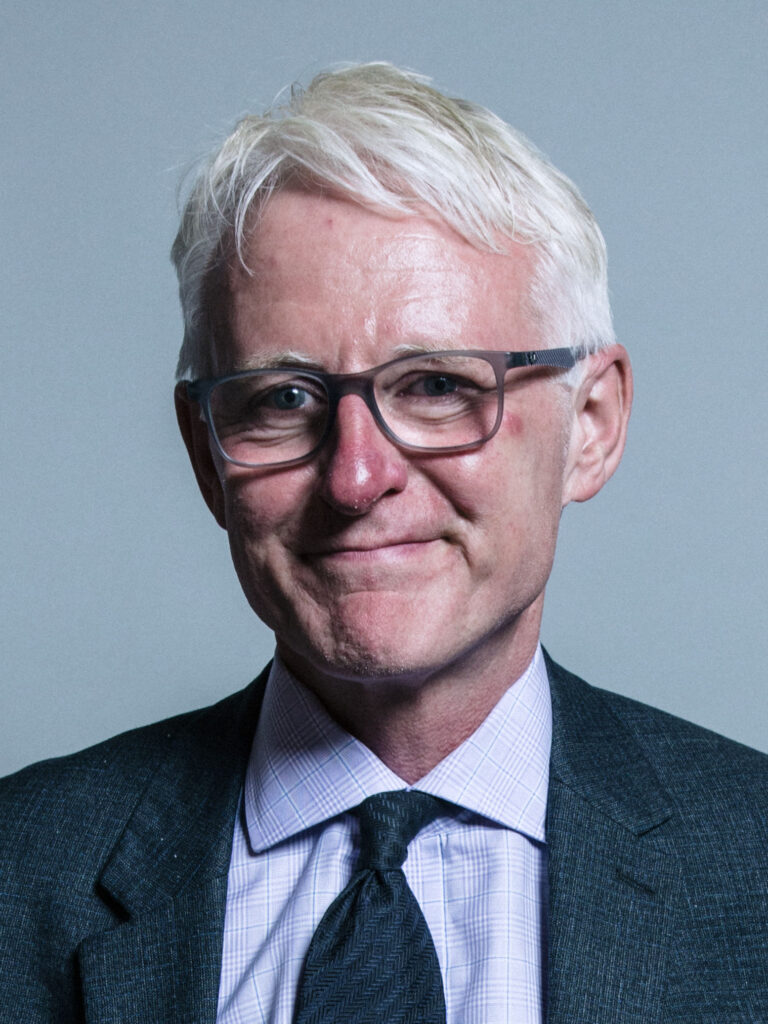
Sir Norman Lamb is a mental health campaigner. He was the Liberal Democrat Member of Parliament (MP) for North Norfolk from 2001 to 2019 and was Minister of State for Care and Support at the Department of Health from 2012 to 2015. He was the Chair of South London and Maudsley Foundation Trust, a specialist Mental Health Trust, from 2019 until 2025. In 2019, Norman received a knighthood for his services to mental health.
Be More Human: Why Mental Health Care is Broken – and What We Can Do to Fix It by Sir Norman Lamb is available to buy now. Order the paperback through the Jessica Kingsley Publishers store.
References:
- Demos (2 October 2023). Revenue, capital, prevention: A new public spending framework for the future. https://demos.co.uk/research/ revenue-capital-prevention-a-new-publicspending- framework-for-the-future
- Departments for Work & Pensions and Business & Trade (20 March 2025). Keep Britain Working review: Discovery. www.gov.uk/ government/publications/keep-britain-workingreview- discovery/keep-britain-working-reviewdiscovery