How to Identify and Treat Emetophobia in Teenagers
By Emma Innes, Author of The Emetophobia Survival Guide
As a parent, there are few things worse than knowing your child is suffering but feeling powerless to help. Mental health struggles can be particularly challenging for parents to address in their teenagers. The first step is to pin down a diagnosis. In this blog post I am going to zone in on emetophobia, the phobia of vomiting, and explain what signs to look out for and how to tackle it.
What is emetophobia?
Emetophobia is an extreme and debilitating phobia of vomiting or of seeing other people being sick. Most people have never heard of it, but it is surprisingly common, especially in teenage girls. The charity EmetAction estimates that it affects about one in every 200 people, and it almost invariably develops in childhood or adolescence. It can impact both men and women, but it is thought that about 90 percent of people with the phobia are female.
Emetophobia typically causes anxiety, panic attacks, disordered eating, avoidance behaviours, nausea (ironically) and constant worry about being sick. It is often mistaken for generalised anxiety disorder (GAD), obsessive compulsive disorder (OCD), or an eating disorder but is a distinct diagnosis with a very clear and specific treatment plan.
No one knows for sure what causes emetophobia but there are various theories. In some cases, childhood experiences can play a role. For example, if a child is made to feel ashamed for being sick or if they have an upsetting or scary experience of illness. However, not everyone with the phobia has had any such experience. Genetics can play a role, specifically a genetic predisposition towards anxiety, as can a tendency to feel nauseous when anxious, and the traits of perfectionism or a general desire for control.
What signs might I notice in my teenager?
As well as general signs of anxiety, people with emetophobia tend to show some very specific behaviours that you may recognise. Many avoid any food that they perceive to be risky – to come with a high risk of food poisoning. For example, they may avoid chicken and fish, food prepared by other people, BBQs or leftovers. They may also be controlling around food, check use by dates excessively or study food hygiene ratings before eating out.
Some people with emetophobia also avoid eating before going out or only eat very small portions for fear that if they eat too much it may make them sick. So called “magical thinking” can also occur in which a person, say, insists on always eating from the same plate if they have never been sick after using it and therefore start to view it as “lucky”.
People with emetophobia are often particularly fearful of being sick in public so may avoid crowds, going to school, sitting in cinemas or theatres or public transport. Boats can be particularly problematic because of a concern about seasickness. They may also choose always to sit near an exit and survey every room for escape routes or the nearest bathroom.
People with emetophobia often also fear catching sickness bugs so may show signs such as avoiding children as they tend to be ill more often, dodging hospitals, public toilets and anyone who has been unwell. You might also notice them washing or sanitising their hands very frequently.
Other common emetophobic behaviours to look out for are constantly sipping tiny quantities of water or sucking mints – both behaviours are thought to reduce feelings of anxiety and nausea – or taking antiemetic medications excessively or unnecessarily. Also, repeatedly asking for reassurance, for example that food is properly cooked or that people around them aren’t feeling unwell, is another telltale sign.
What should I do if I spot these signs in my teenager?
Firstly, it is crucial to understand that it isn’t your child’s fault that they have this phobia, and nor is it your fault. It is also imperative that you understand that it isn’t possible to “snap out of” emetophobia or to pull yourself together or to override it with pure willpower. Getting frustrated, however understandable, and trying to force them to eat, or do, things that make them anxious, won’t help. Indeed, it won’t work – people with emetophobia will prioritise avoiding any risk of vomiting above all else.
Almost everyone with this phobia requires formal treatment and the gold standard is cognitive behavioural therapy (CBT) with gradual exposure. There are no medications specifically licenced for the treatment of emetophobia, but antidepressants (SSRIs) and anti-anxiety medications can help in some cases.
As a parent, the best thing you can do is to help your child access CBT and exposure therapy with a therapist who is experienced in the treatment of emetophobia. They should be able to offer CBT aimed at teaching their patients that while vomiting isn’t pleasant, it isn’t terrifying or dangerous and that they could cope with it. They should also be able to offer exposure therapy which involves very gradually encouraging the emetophobe to challenge themselves to do things that make them anxious. This should be done very slowly to avoid upsetting or panicking the patient. To be clear, the exposure therapy should never involve making the emetophobe vomit – this would be unethical and isn’t necessary for successful treatment.
Hard as this is, the best thing you can do alongside helping with accessing formal treatment is to offer kind, loving support but not reassurance or help avoiding anxiety-inducing experiences. For example, if you know your child will be anxious about a trip to the cinema, you should, ideally, be understanding but encourage them to go. If you help them to avoid the trip, it will reinforce in their mind the idea that it is a “risky” thing to do which needs avoiding and will deprive them of the opportunity to learn that it is safe and something they can cope with.
Conclusion
Emetophobia is a very difficult condition to live with and a very difficult thing for a parent to witness in their teenager. However, with the correct diagnosis, treatment and support it is very treatable. Wishing you the best of luck.
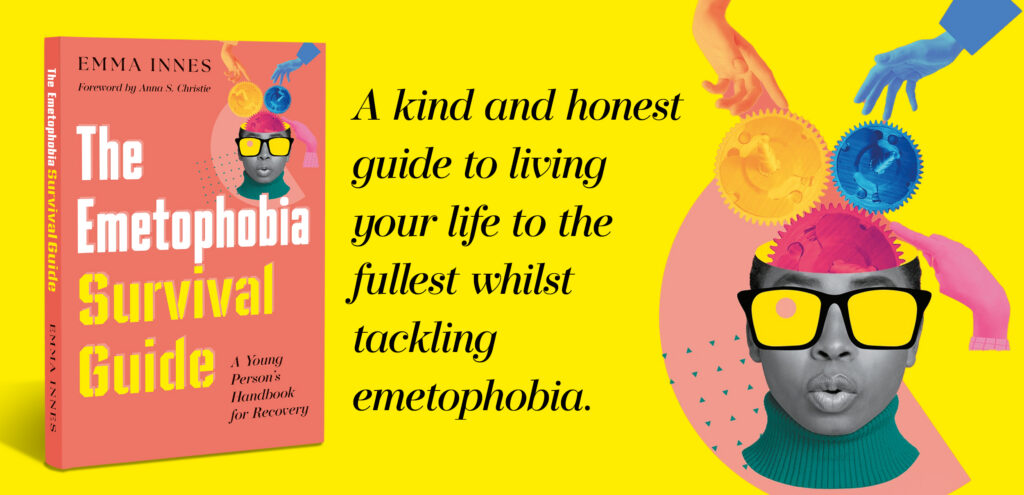
My book, The Emetophobia Survival Guide: A Young Person’s Handbook for Recovery, which draws on my experience of living with emetophobia, aims to help young people learn to live life to the fullest while tackling their emetophobia. It will be published by Jessica Kingsley Publishers on September 21st, 2026.
You can find out more about The Emetophobia Survival Guide here.