JKP attends the 2010 American Music Therapy Association Conference (AMTA)
The 2010 American Music Therapy Association (AMTA) Conference took place at the Cleveland Renaissance Hotel in Cleveland, Ohio, USA, this year and JKP was, once…
The 2010 American Music Therapy Association (AMTA) Conference took place at the Cleveland Renaissance Hotel in Cleveland, Ohio, USA, this year and JKP was, once…

“Social enjoyment, as both an important life and employment skill, needs to be taught and practiced as early as possible. We need to provide our young people with safe, predictable situations to practice enjoying a social interaction. The successes I’ve seen in my own work demonstrate that social enjoyment is indeed a skill – and thus, can be learned.”
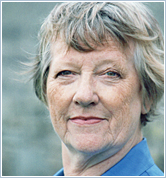
“True empathy is part of a very genuine understanding of the other person. And we learn this through dramatic playing which we can observe in the first few hours after a baby is born: they will try to imitate the expression on the mothers face…the baby is responding as if they are the mother; this ‘dramatic response’ continues to develop in those early weeks and months, like a life rehearsal for the development of empathy.”
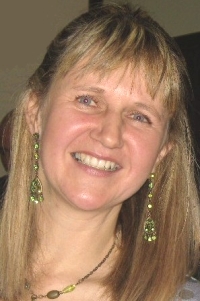
By Gill D. Ansell, author of Working with Asperger Syndrome in the Classroom: An Insider’s Guide Being a Teaching Assistant is not what it once…
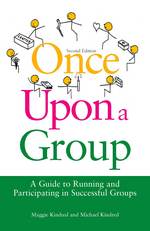
“We are in groups throughout life. Many different kinds of groups occur in social clubs, health and social care, industry, commerce, education, politics, churches, and voluntary organizations. People of all ages are involved, including small children. Most of them have no idea they are involved in ‘group processes’! Groups are natural, and usually get by without analyzing themselves. So why bother to spend time in training? … We have written this book because we believe that using a group isn’t mystical, but can be considerably more enjoyable and effective if members know a little about how groups function.”
Tonight BBC Three will screen the documentary ‘Can’t Bully Me’ about the important work of the charity Red Balloon, which runs a network of schools that cater exclusively for…
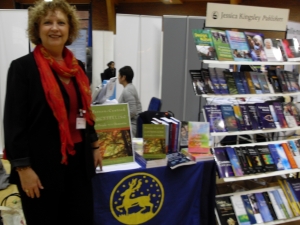
Last week, JKP attended the 5th UK Dementia Congress in Bournemouth. As the largest dementia-focused annual event in the UK, the congress offered an exciting…
“Anyone can benefit by telling their story and being heard, whether it’s through art, narrative, or other means of communication…Everyone has a story and all of these stories are sacred. There is healing and connection in telling these stories to someone who takes the time to listen. Art is a wonderful venue for telling these stories.”
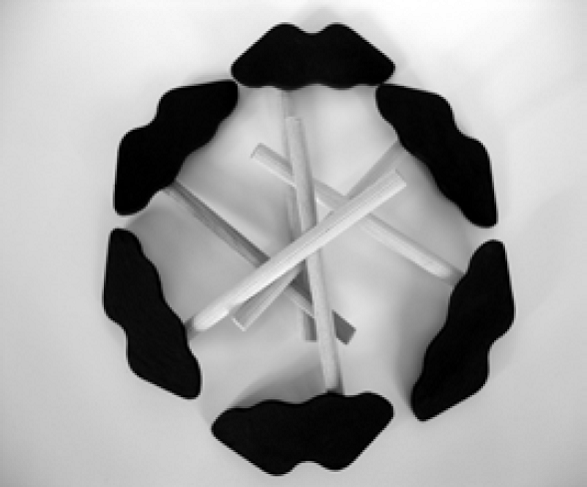
Have a giggle – and raise awareness! – with this activity from Bonnie Thomas‘ new book, Creative Expression Activities For Teens! This book is bursting with art and journal…
“Medical conditions, mental health and social problems all involve people experiencing distress and disability, facing losses and the threat of loss. The basic spiritual skill, of being able to rest, relax and create a still, peaceful state of mind, underpins others, such as empathic ability and emotional resilience, which allow us better to understand, comfort and guide those people in difficulty who are suffering. These are skills that give people the courage to witness and endure distress while sustaining an attitude of hope, and the inner strength to be able to give without feeling drained.”