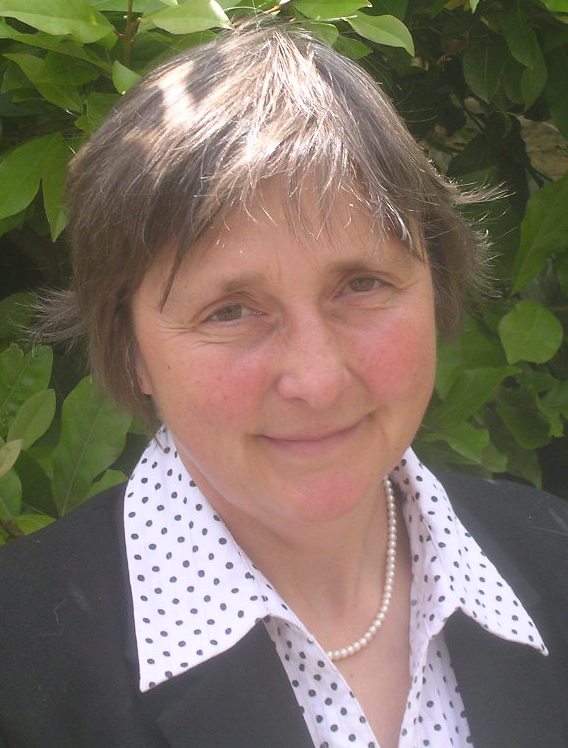
Chronic Fatigue Syndrome/ME: Support for Family and Friends – An Interview with JKP author Elizabeth Turp

“Although I have made a good recovery from CFS/ME and currently have few symptoms, I have to live a much reduced lifestyle to stay well – good sleep routines, minimizing stress, not saying yes to every request and seeking a lot more support than I used to, especially when I get over-tired…The danger for people whose CFS/ME symptoms have improved is that others see them looking well and doing things again (and writing books!) and think this means they are fine, when the reality is far more complicated!”

Good record-keeping matters: An excerpt from Jacki Pritchard’s ‘Recording Skills in Safeguarding Adults’

“We know that most workers are under extreme pressure with ever increasing workloads and there can be a reluctance to give recording the priority it deserves. Increasing workloads can be partly due to a lack of resources. It is important that people in positions of power argue for an increase in resources, but to do that arguments have to be put forward that there is a real need. Keeping good records can aid this.”

Working with Reluctant Clients in Health and Social Care – an Interview with JKP author Maggie Kindred

“One of the most important messages I would want to give to a newcomer is that your reluctant client will probably never [become a ‘willing’ client]. Why should s/he? Compliance with you and your rules is a massive victory. If you can rejoice with your clients when they are finally getting rid of you, this is very liberating. Social work and care does not change people’s personality fundamentally, it helps them function.”

An Interview with Bo Hejlskov Elvén: Making Behaving Positively Possible for People with Autism and Other Developmental Disabilities

“Most of the methods used in changing challenging behaviours contain a degree of force or lack of respect for the choices of the service-user. My main principle is that the service-user always has the right to say ‘no’. My job is to encourage her say ‘yes’. That means that if she says ‘no’, I need to figure out what I did wrong. In that way I actually can change her behaviour by focusing on my own behaviour, not on hers.”

Interview: Lynn Davis on her new book, A Practical Guide to Fostering Law

“Foster carers play an absolutely crucial role in the child care system. The vast majority of looked after children live in foster care. Carers are there at the sharp end, dealing 24 hours a day, 7 days a week with all of the consequences of abuse, neglect or whatever family difficulties have led children to be looked after. Yet in spite of this, in my view foster carers are underpaid and often overlooked and under-appreciated.”