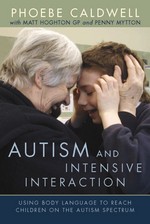
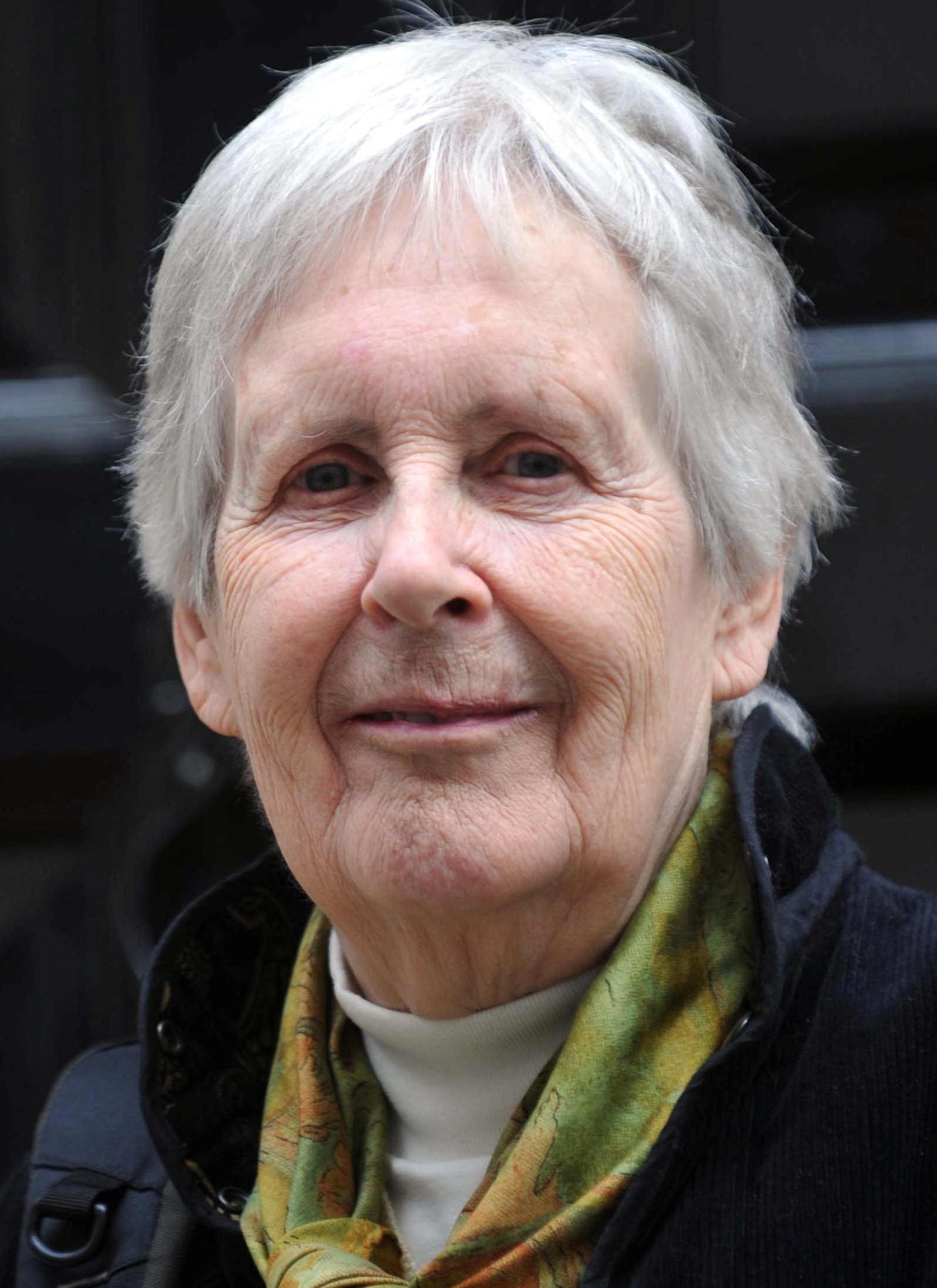
Video clips from Phoebe Caldwell’s DVD, Autism and Intensive Interaction
We’re very pleased to bring you these clips from Phoebe Caldwell’s latest JKP title! Autism and Intensive Interaction is a three part film following Phoebe…
“When I was young, I had no self-esteem and figured the difficulties my Asperger’s caused made it impossible for me to achieve anything. I gave up on myself and the world. Now that I am older, I realise that Asperger’s is probably the main reason that I have been able to achieve so much…”
“Everyone who works with older people in social services or social care will encounter people with depression. The impact of depression among older people and those supporting them can be profound. This may be particularly so because depression is under-recognised and there are pessimistic views of the potential for response.”
Hilary Abrahams is an Honorary Research Fellow in the Violence Against Women Research Group at the University of Bristol. She has worked extensively on the support…
“They considered it helpful in their quest to ‘make sense of Self’ within the context of their lives as affected by living with dementia. Making sense of Self and the world around us is an endeavour we all undertake in our own unique ways, Sometimes people will seek out the impartial, empathic listening of a professional counsellor to support them in this quest.”
“Although the approach know as Intensive Interaction has been available since the 1980’s, it has relied on direct person-to-person teaching and until recently there has been remarkably little training material generally available. It really is important to see it done.”
“Many of us react instinctively against further demands to produce evidence, especially quantitative information – we know all too well that progress with clients is made up of tiny, often faltering, steps forward that are extremely difficult to demonstrate or quantify. There are downsides to the outcomes approach as there are to other systems of planning and evaluation. But the question of outcomes is a perfectly legitimate one. The number of visits made to a family is beside the point if the risks are not picked up and appropriate interventions are not identified to begin to help people deal with the problems. The number of counselling sessions provided is hardly important if in the end they made no difference for the person seeking help. We must address outcomes in order to improve services.”
“Through sensitively handled, creative interaction and by the use of ‘creative’ approaches with traumatised young people their characteristic rigidity begins to loosen. New possibilities emerge, the mutative nature of create endeavours. In time, they may be able to see painfully familiar situations in different and helpful ways that can lead to their forming a new response.”
“Working with service users has taught me that professionals like me, however experienced or well trained we think we are, often miss the most important issues from a user’s perspective. I believe that hearing service users’ views and having service users involved centrally in all aspects of planning, developing and evaluating services is absolutely vital to ensure high quality services that are fit for purpose.”
“When a child comes up with an image that represents how he feels about a situation, he is tapping into something that goes way beyond logical thought processes. And when he realises that he can ‘play’ with these images and be creative in forming new images, then he can begin to take more control. Imagework often triggers insights and shifts in perspective which may not come through logical thinking alone.”